

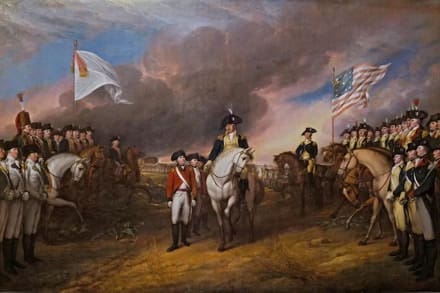
Imagine waving a flag not just as a symbol of unity, but as a raw declaration of defiance against tyranny—flags stitched in secrecy, flown amid musket fire and cannon smoke during the American Revolutionary War. Before the Stars and Stripes became official in 1777, ragtag patriots hoisted an array of banners that screamed independence: the Grand Union Flag with its British Union Jack quartered by red-and-white stripes, signaling we’re done with the Crown but still playing nice; the rattlesnake-emblazoned Gadsden Don’t Tread on Me, a venomous warning from Ben Franklin’s fertile mind; and the Pine Tree Flag of New England, rooted in colonial resistance to royal overreach. These weren’t mere decorations—they were psychological weapons, rallying minutemen, sailors, and Marines to fight for self-determination against a superpower, much like the semiauto rifles and AR-15s that modern patriots clutch as heirs to that same unyielding spirit.
As we barrel toward America’s 250th birthday in 2026, these Revolutionary flags aren’t dusty relics; they’re a blazing reminder of why the Second Amendment exists. The militias that bled under those colors—farmers, blacksmiths, and merchants turned fighters—demanded the right to keep and bear arms precisely because flags alone couldn’t repel redcoats. The implications for today’s 2A community are electric: in an era of creeping federal overreach, from ATF rule tweaks to red-flag laws, these banners urge us to resurrect that revolutionary fire. Fly a Gadsden at your next range day or rally; it’s not cosplay, it’s a covenant. These flags flew for the right to self-defense, proving that patriotism isn’t passive—it’s armed, vigilant, and ready to defend liberty when the state forgets its place.
The true genius of these early flags lies in their diversity amid chaos, mirroring the decentralized armed resistance that won the war. No central command dictated designs; local ingenuity did, just as the Founders envisioned a well-regulated militia of free men, not a top-down army. For 2A advocates, this is blueprint: in red states fortifying against blue-state encroachments or amid Supreme Court battles like Bruen, these symbols steel our resolve. Hoist them high—not to glorify war, but to honor the armed citizens who birthed a nation where the people, not the government, hold the final say. 250 years on, that message hasn’t faded; it’s reloaded.


