

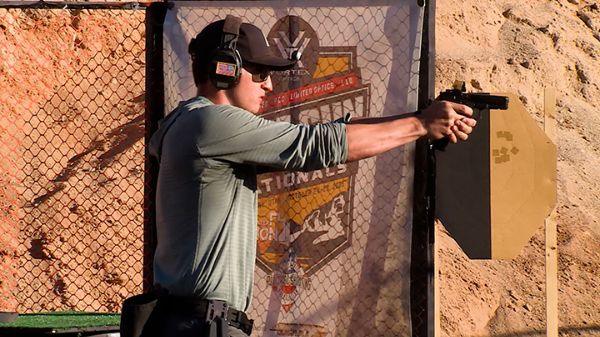
Shooting USA’s spotlight on the USPSA Racegun 2025 match at Southern Utah Shooting Sports Park isn’t just another tournament recap—it’s a vivid reminder that the fastest-growing segment of practical shooting is still the one most directly tied to the everyday defensive shooter. Open and Limited Optics divisions on display this year show how red-dot pistols and compensated race guns have moved from fringe experimentation to mainstream carry options, with the same ergonomics and reliability that competitors trust at 25 yards now showing up in holsters across the country. The match also underscores how quickly the optics-ready platform has leapfrogged iron-sight Limited guns in popularity, a trend that mirrors real-world demand for faster target acquisition under stress.
For the 2A community the takeaway is straightforward: every stage run at Southern Utah is another data point proving that the right to keep and bear arms includes the right to train with the same tools used for lawful self-defense. Sponsors and match directors continue to push the envelope on capacity, recoil management, and optic durability precisely because the market rewards performance that translates from the range to the street. When mainstream television showcases these divisions without apology, it normalizes the idea that citizens should be as well-equipped as competitors—an implicit rebuttal to any narrative that seeks to limit civilian access to modern defensive firearms.
The larger implication is cultural as much as technical. Events like Racegun 2025 keep the shooting sports visible, recruit new participants, and generate the kind of positive media that counters the steady drip of restrictionist framing. As more states expand constitutional carry and more citizens adopt optics-ready pistols, the skills honed in USPSA will remain the gold standard for safe, effective gun handling—proof that the right to bear arms is exercised most responsibly by those who train like competitors.


