

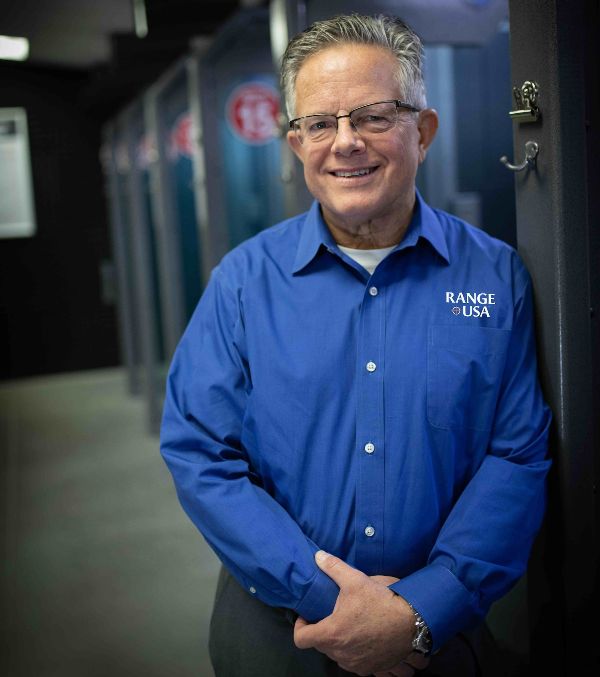
Range USA’s rise under Tom Willingham isn’t just another retail success story—it’s a deliberate counter-narrative to the “gun store as danger zone” trope that anti-2A activists love to peddle. By foregrounding safety training and responsible ownership from day one, Willingham positioned the chain as both marketplace and classroom, turning every location into living proof that the right to keep and bear arms is exercised most powerfully when paired with discipline and education. That framing matters now more than ever: as states experiment with magazine bans and “sensitive place” restrictions, Range USA’s emphasis on documented, instructor-led proficiency gives the broader community a tangible rebuttal—data points showing millions of safe, legal transactions and range hours logged without incident.
The deeper implication is strategic. A national footprint of well-run ranges creates physical infrastructure that normalizes firearms culture in suburban and urban corridors where progressive messaging dominates. Each new facility quietly expands the Overton window, proving that gun ownership scales responsibly when the private sector leads rather than waits for government permission slips. For 2A advocates, the lesson is clear: building parallel institutions that deliver safety, community, and commerce simultaneously is more durable than relying solely on court victories or election cycles. Willingham’s interview is therefore less about nostalgia and more about a scalable model the movement can replicate—retail spaces that double as cultural beachheads.


