

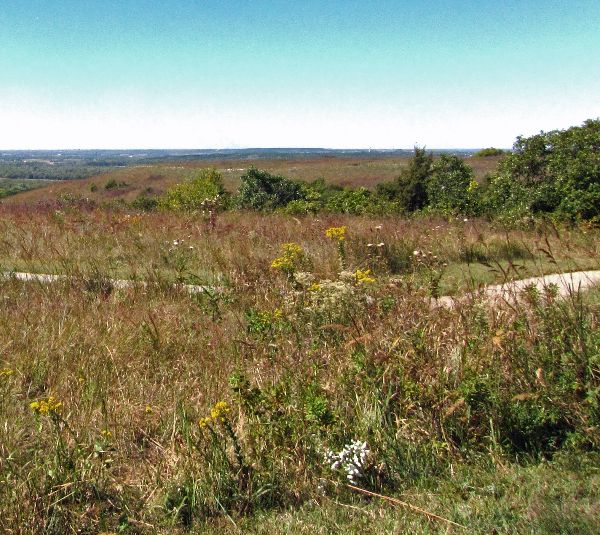
Dove season marks the true opening bell of fall hunting, and this year it arrives with a familiar mix of anticipation and quiet defiance. Across the South and Midwest, hunters are already patterning their shotguns, stocking up on #7½ and #8 loads, and mapping out sunflower fields and harvested wheat stubble where the birds will funnel at dawn. What makes the moment especially resonant for the 2A community is how seamlessly it blends tradition with everyday carry: the same pump or semi-auto that swings on fast-flying doves doubles as home-defense insurance, and the skills honed on these early-season outings—shot placement, situational awareness, safe gun handling—translate directly to the range and the street. In an era when some states still flirt with magazine restrictions or “assault weapon” bans, the humble dove hunt serves as living proof that ordinary citizens can be trusted with repeating firearms and that those tools remain woven into the fabric of rural and suburban life alike.
Beyond the harvest itself, the season underscores a deeper cultural point: public-land access and private-land stewardship are both sustained by the dollars and political engagement of America’s hunters. Every box of shells sold, every Federal Duck Stamp equivalent for upland species, and every hour spent at a Hunter Education class reinforces the argument that the Second Amendment is not an abstract theory but a lived practice that funds habitat, enforces ethical standards, and keeps rural economies alive. When anti-gun voices claim that “no one needs a semi-automatic,” the image of a father and daughter swinging on incoming doves with a well-maintained Remington 1100 or Benelli Ethos quietly rebuts the narrative. The birds keep coming, the guns keep cycling, and the constitutional culture keeps proving itself one opening weekend at a time.


