

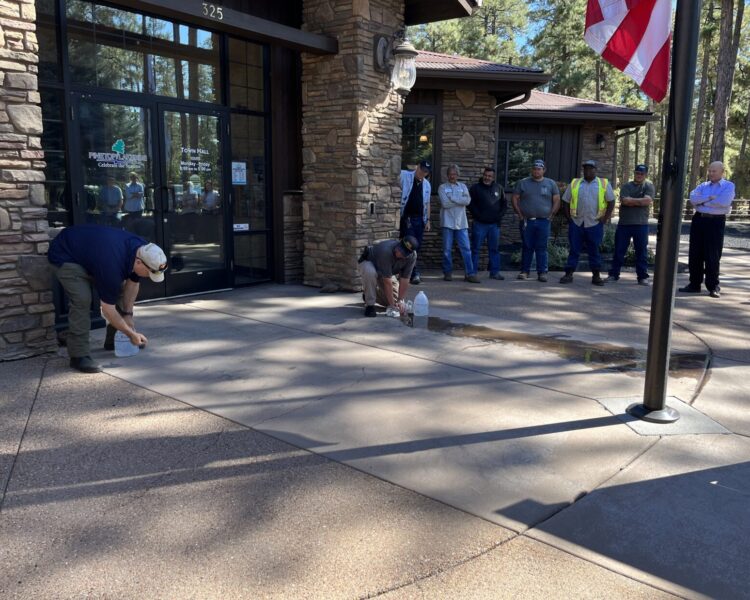
turns a simple household object into a visceral classroom that forces students to confront the brutal math of bleeding out. By puncturing a water-filled jug and timing how quickly it empties, instructors compress the reality of arterial hemorrhage into seconds rather than minutes, making the abstract concept of “life-threatening bleeding” impossible to ignore. The exercise also doubles as a leadership laboratory: one student must delegate tasks—apply pressure, call 911, fetch a tourniquet—while the clock ticks, revealing how quickly panic can freeze a group and how decisive command language can restore order under stress.
For the 2A community the lesson is twofold. First, it underscores that the same mindset responsible gun owners cultivate—anticipating failure modes, training through repetition, carrying the right tools—translates directly to medical emergencies that can arise anywhere a firearm is present. Second, it quietly dismantles the caricature that armed citizens are trigger-happy; the demo celebrates the unglamorous skills of stopping blood loss and coordinating chaos, skills that protect both the defender and the defended long after the trigger has been pulled. In short, the Jug Demo reminds carriers that marksmanship is only half the equation; the other half is the willingness and competence to keep a fellow citizen alive until professionals arrive.


