

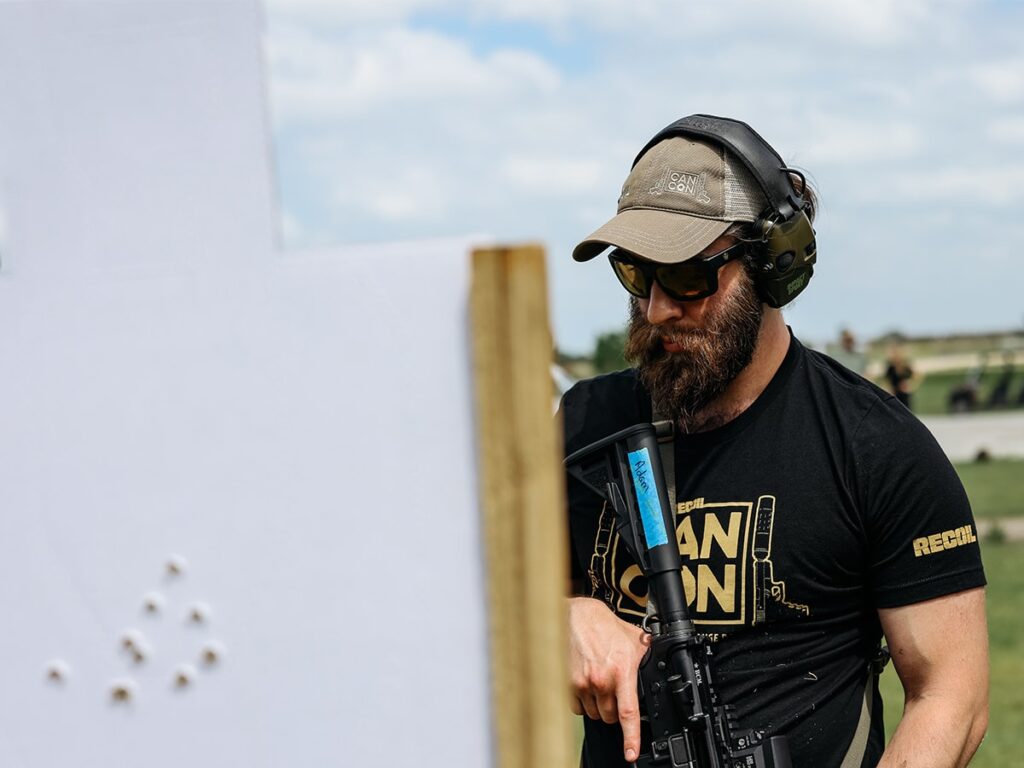
Leupold and Hornady’s decision to fly writers to Nebraska for hands-on carbine work and a factory tour isn’t just a press junket—it’s a calculated reminder that the companies making the glass and the ammo are still betting big on the civilian shooter. By letting participants run drills with fresh optics and Hornady’s latest loads, the event underscores how quickly premium gear trickles down from duty or competition circles into everyday range bags. That matters because every time a civilian shooter experiences sub-MOA groups or crisp glass at 300 yards, the argument that “you don’t need that” loses another data point in the court of public opinion.
The timing is also telling. With state-level magazine bans, “assault weapon” bills, and ATF reinterpretations still circulating, events like this quietly reinforce the practical case for ownership: training with quality equipment builds competence, and competence undercuts the narrative that standard-capacity rifles are too dangerous for civilians. Hornady’s transparent manufacturing tour further demystifies the supply chain, showing that modern defensive ammo isn’t some shadowy commodity but a tightly regulated product built to exacting specs. When writers leave Nebraska with tighter groups and firsthand knowledge of how those rounds are made, they carry both better skills and stronger talking points back to their audiences.
For the broader 2A community, the takeaway is straightforward: the industry’s willingness to invest in civilian training and transparency is itself a form of advocacy. Every carbine class funded by optics and ammo makers chips away at the perception that these tools are niche or suspect, replacing it with evidence that responsible citizens are actively sharpening their edge. In an environment where rights are defended as much in comment sections and committee hearings as on the range, that combination of skill and storytelling is quietly powerful.


