

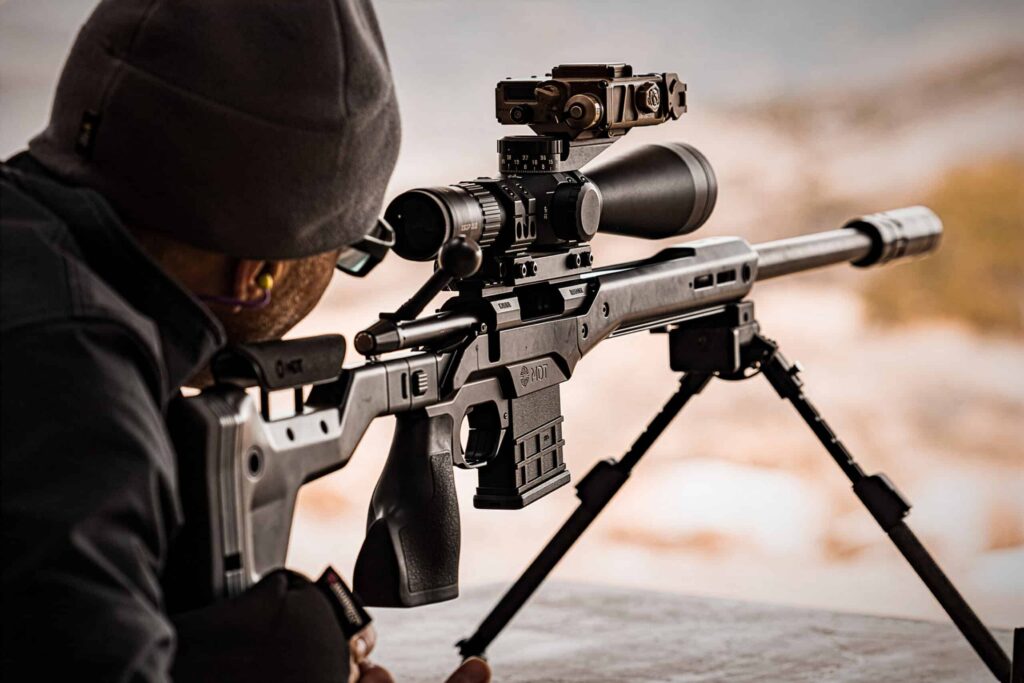
Choosing the right optic is the single most consequential decision a precision shooter makes after selecting the rifle itself, and Frank’s chapter in the Precision Rifle Handbook cuts straight to the heart of that choice. Rather than chasing the latest marketing specs, he walks readers through the real-world trade-offs between glass clarity, turret repeatability, reticle utility, and weight—factors that determine whether a scope becomes a trusted partner or an expensive liability on the firing line. In an era when every major manufacturer claims “sub-MOA tracking,” Frank’s emphasis on verifiable testing and long-term durability serves as a much-needed corrective to glossy brochures and influencer unboxings.
For the 2A community, this guidance carries deeper significance. A well-chosen scope extends the effective range and accuracy of lawfully owned firearms, reinforcing the individual right to keep and bear arms that are actually useful for self-defense, competition, and responsible land stewardship. Conversely, a poorly matched optic can turn an otherwise capable rifle into a frustrating paperweight, indirectly validating the very restrictions anti-2A voices claim are necessary because “civilians don’t need that kind of accuracy.” By arming shooters with the knowledge to buy once and buy right, Frank’s chapter strengthens both personal proficiency and the broader argument that armed citizens are competent citizens.
Ultimately, the piece reminds us that precision is not merely a technical pursuit; it is a statement of intent. When a marksman invests the time to understand focal planes, illumination trade-offs, and mounting solutions, they are exercising the same deliberate responsibility the Founders expected of an armed populace. In that sense, selecting the proper scope is both a practical skill and a quiet affirmation that the right to bear arms includes the right to bear them effectively.


