

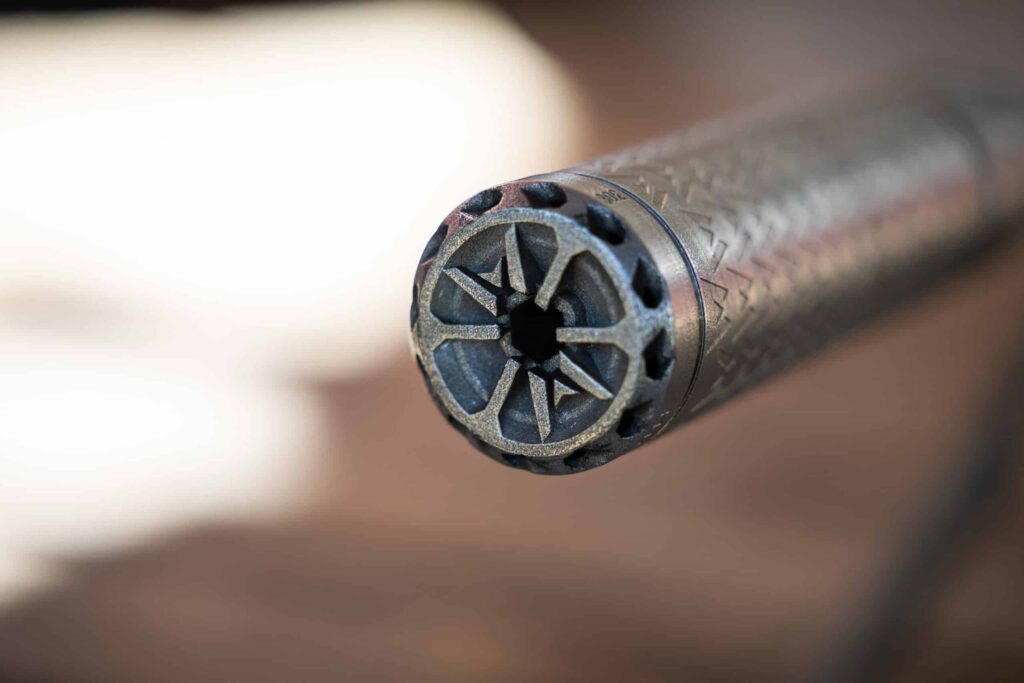
Wraith Metalworks is carving out its own lane in the suppressor market by treating each baffle, spacer, and weld as an independent engineering decision rather than a copy-paste of legacy monocore or stacked designs. Where most manufacturers chase incremental dB reductions through ever-tighter tolerances on the same geometry, Wraith’s “one piece at a time” approach lets them tune expansion volume, gas flow, and back-pressure for specific host platforms—something that matters when a shooter is trying to keep an SBR or pistol-caliber carbine both quiet and reliable. That philosophy also sidesteps the regulatory trap of treating a suppressor as a single serialized unit; if a future ATF rule tries to redefine “one” suppressor, Wraith’s modular construction could give owners and the broader industry a stronger legal and technical argument that components are just that—components.
For the 2A community the real story isn’t the decibel numbers; it’s the precedent. Every time a small manufacturer refuses to follow the herd and instead documents why its method is different, it creates fresh prior art that courts and regulators must confront. Wraith’s willingness to talk openly about design trade-offs also arms enthusiasts with the language they need when defending the legality and utility of suppressors in public forums and state legislatures. In an era when the hearing-protection argument is finally gaining traction, companies that prioritize transparency and genuine innovation do more than sell cans—they reinforce the cultural shift that suppressors are safety equipment, not exotic accessories.


