

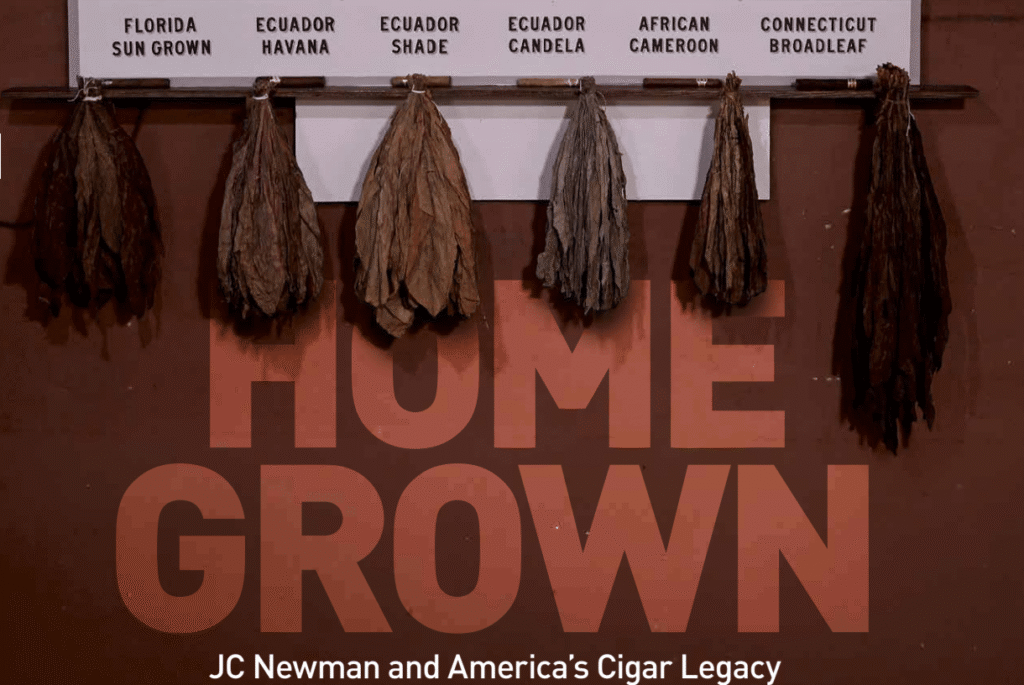
America’s cigar culture and its firearms culture share a common DNA: both were forged in the same colonial crucible and both have been carried forward by families who treat craftsmanship as a civic virtue. General Israel Putnam’s habit of lighting up after the French and Indian War was more than a personal indulgence; it was an early act of American self-definition, a deliberate rejection of European snuff boxes in favor of something rolled by hand from New World leaf. JC Newman’s Tampa-based operation is the living continuation of that impulse—still family-owned, still refusing to outsource the soul of the product to overseas mass production. In an era when multinational tobacco giants chase quarterly margins, Newman’s insistence on domestic growing, bunching, and boxing stands as quiet proof that heritage industries can thrive without surrendering to offshore economics.
For the 2A community, that parallel matters. Just as domestic firearms makers argue that skilled hands on American soil protect both quality and liberty, cigar traditionalists remind us that culture itself is a form of sovereignty. When a fifth-generation American company still hangs its reputation on rollers who know exactly how much pressure to apply to a ligero wrapper, it reinforces the broader principle that excellence is preserved by people who own their process, not by spreadsheets in distant boardrooms. The lounge where neighbors gather to argue politics over robusto smoke is the same informal civic space where rights are understood, defended, and—when necessary—passed intact to the next generation. In that sense, every JC Newman cigar is more than a luxury good; it is an edible, combustible reminder that the republic’s foundations are still best maintained close to home.


