

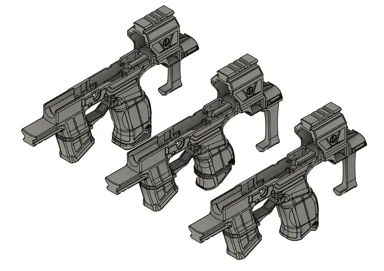
The XD-M DBmod Pillager Remix Beta represents a fascinating evolution in the 3D-printed firearm ecosystem, where Danish Bulldog’s original frame design gets reimagined as a pillager variant that strips away conventional constraints while maintaining functional integrity. This remix isn’t just about aesthetics—it’s a deliberate philosophical statement about modularity and the democratization of firearm design, taking the same kit compatibility as Glock pillager models while introducing a 36.5mm Glock mag release spring for the forward release mechanism. The creator’s acknowledgment of Danish Bulldog’s foundational work speaks to the collaborative nature of this community, where innovation builds upon innovation in an open-source environment that mirrors the very principles of individual liberty the 2A community champions.
What makes this development particularly significant is how it challenges traditional manufacturing paradigms and regulatory frameworks simultaneously. By creating a frame that can utilize existing Glock components while offering a completely different ergonomic and functional profile, this remix demonstrates the power of distributed manufacturing to circumvent centralized control over firearm production. The LBRY tags—guncad, 3d2a, fosscad—aren’t just metadata; they’re a declaration of allegiance to a movement that views firearms not as products to be regulated, but as information to be shared, modified, and improved upon by anyone with the technical capability and desire to do so.
For the 2A community, this represents both opportunity and responsibility. The ability to remix and redistribute firearm designs accelerates the pace of innovation beyond what traditional manufacturers could achieve, potentially leading to more ergonomic, reliable, and accessible firearms for lawful citizens. However, it also places the onus on users to understand the legal landscape, ensure proper safety testing, and maintain the ethical standards that separate responsible gun ownership from reckless behavior. This isn’t just about printing guns—it’s about preserving the fundamental right to keep and bear arms in an age where that right increasingly depends on technological literacy and community-driven development rather than corporate manufacturing pipelines.


