

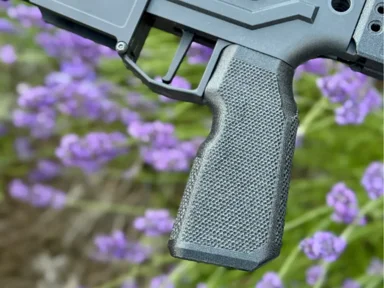
The Wushu Grip’s latest iteration for the SSX10, VSR10, and TAC41 platforms is more than a simple ergonomic upgrade—it’s a quiet declaration that the 2A community is no longer content to wait for factory handguards to catch up with real-world use. By deliberately omitting the beavertail, the design opens the door for shooters who run optics high, gloves thick, or simply prefer a lower, more neutral wrist angle. The choice of slow, strong profiles printed in PETG-GF or PETG-CF isn’t just about durability; it’s a nod to the fact that today’s airsoft and GBBR rifles are being pushed harder than ever, and the accessories that survive are the ones that treat polymer like an engineering material rather than a compromise.
What stands out is how this small, open-source part quietly expands the definition of “customization.” A grip that fits multiple chassis without proprietary locks or licensing fees undercuts the old industry model where every aftermarket upgrade came with a tax—both literal and figurative. For the 2A community, that matters: it lowers the barrier to entry for new builders, keeps older platforms relevant, and demonstrates that functional innovation can happen outside the traditional supply chain. In an era when regulatory pressure often targets complete firearms, the ability to iterate on components like grips, stocks, and handguards becomes a form of resilience.
The deeper implication is cultural. When hobbyists share files tagged “guncad” alongside AR-15 references, they’re signaling that the same decentralized design ethos that reshaped the rifle world is now bleeding into every corner of the shooting sports. It’s not just about one grip; it’s about proving that the right to keep and bear arms includes the right to adapt, repair, and improve the tools of that right—on your own terms, with your own tools, and without asking permission.


