

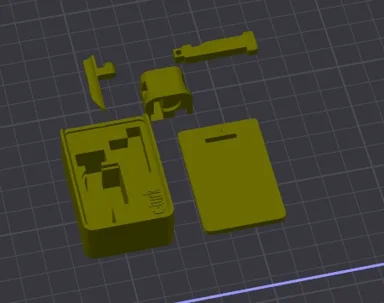
The Turk sliding container is more than a clever 3D-printed accessory—it’s a microcosm of how the modern 2A community is turning everyday objects into platforms for innovation and self-reliance. By designing a compact, sliding box that rides on a keychain, the creator has solved a real-world problem: how to keep a small, high-value part like the “Turk” (a Glock-compatible auto-sear component) secure, discreet, and instantly accessible. In an era when polymer80 frames, aftermarket triggers, and 3D-printed jigs are mainstream, this little container underscores a larger truth: the right to keep and bear arms now includes the right to design, print, and carry the tools that make those arms function the way their owners intend.
What makes the design noteworthy is its fusion of form and function. The sliding mechanism isn’t just a novelty; it protects the sear from pocket lint and accidental discharge of the part itself while still allowing one-handed deployment—critical when seconds count. Because the file set is tagged with terms like “glockswitch” and “autosear,” it also signals that the community is openly iterating on semi-to-full-auto conversion concepts, regardless of pending ATF rule changes. That openness is both a strength and a flashpoint: it accelerates grassroots R&D, but it also invites regulatory scrutiny that could criminalize the very files and containers enthusiasts now share.
For 2A advocates, the takeaway is clear. Rights are preserved not only in courtrooms but also in basements where printers hum and engineers tinker. The Turk sliding container embodies that spirit—compact, concealable, and unapologetically functional—reminding us that the future of firearms technology will be written in plastic filament as much as in legislation. As long as makers keep sharing, iterating, and distributing these designs, the practical exercise of the Second Amendment will remain a moving target that no single rule can fully pin down.


