

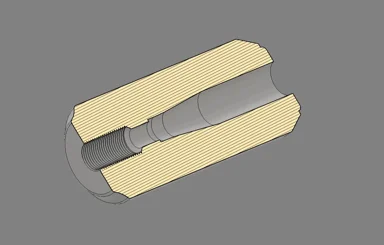
The Can-Can v3 3/4-16 is a refreshingly pragmatic reminder that the 3D-printed suppressor space is no longer dominated by exotic, high-pressure designs that require exotic materials and exotic printers. By embracing the humble 3/4-16 thread—long the default on rimfire barrels and many pistol hosts—this design lowers the barrier to entry for builders who already own a basic FDM printer and a handful of solvent-trap parts. The “quick and dirty” ethos is deliberate: fewer baffles, simpler geometry, and an acceptance that the can will live a short, hard life before being reprinted rather than endlessly cleaned. That philosophy mirrors the broader evolution of the gun-cad community, where rapid iteration and disposability have replaced the old gunsmithing ideal of one perfect, permanent tool.
For the 2A movement, the real story isn’t the decibel numbers; it’s the normalization of home-built, form-1-adjacent devices that treat sound moderation as routine firearm maintenance rather than a niche, regulated luxury. Every time a new, legally ambiguous design drops into the public domain, it chips away at the notion that only federally licensed manufacturers can be trusted with acoustics. The Can-Can v3 doesn’t pretend to be a precision bench-rest can; it simply demonstrates that the tooling and knowledge required to quiet a .22 LR or 9 mm pistol are now as accessible as a roll of filament. That accessibility is quietly radical: it reframes silencers from exotic accessories into commodities that can be designed, tested, and replaced in a weekend.
Critics will argue that disposable printed cans invite corner-cutting and unsafe pressures, and they’re not entirely wrong. Yet the same critique was leveled at 3D-printed lowers a decade ago, and the market responded with better testing protocols, shared pressure data, and iterative safety improvements. The Can-Can v3 is part of that same learning curve. By publishing openly, its creators invite scrutiny, replication, and incremental refinement—exactly the open-source dynamic that has repeatedly outpaced regulatory attempts to gatekeep technology. In the long run, the suppressor that anyone can print may prove more durable for the culture than the one that only a few can buy.


