

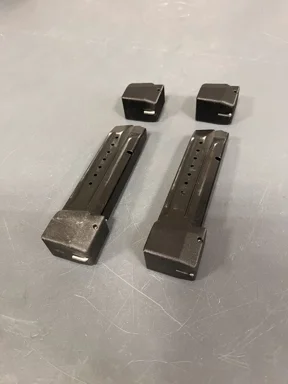
The new 6-round magazine extension for full-size Smith & Wesson M&P 2.0 pistols is a clever piece of 3D-printed ingenuity that threads the needle between competition rules and real-world performance. Designed to just squeak under the 140 mm USPSA gauge while clearing the factory flared magwell on the Competitor model, it gives shooters an extra six rounds without triggering the “box” penalty that can end a match. That tight tolerance isn’t just a technical flex; it’s a direct response to how USPSA’s equipment rules have evolved to reward capacity without rewarding oversized gear, and it shows how quickly the 3D2A community can iterate when a rulebook creates a new niche.
What makes this release especially interesting is the way it quietly expands access. A shooter who already owns an M&P 2.0 no longer has to buy a dedicated competition gun or pay premium prices for aftermarket tubes; they can print the extension, drop it on a standard magazine, and stay legal. That lowers the barrier to entry for Limited or Carry Optics divisions and keeps the focus on skill rather than wallet size. It also underscores a broader trend: as polymer-framed pistols dominate the market, printable accessories are becoming the equalizer that lets legacy platforms stay competitive instead of being pushed aside by the newest factory offering.
For the 2A community the takeaway is straightforward—innovation at the individual level still outpaces regulatory attempts to freeze technology in place. Every time a new rule or dimension limit appears, someone in the maker space finds the edge of the envelope and shares the file. The result is a living ecosystem where legal, functional upgrades circulate faster than any corporate R&D cycle, keeping the spirit of practical shooting alive even as the rulebooks try to draw ever-tighter boxes around it.


