

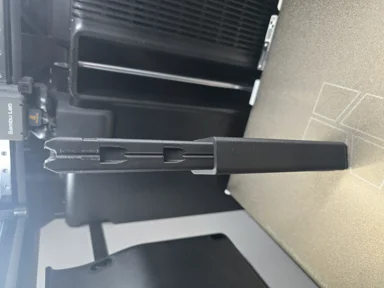
The Sten magazine hack for the Mac N Cheese V3.1 beta is a textbook example of how the 3D-printed firearms community keeps iterating faster than regulators can keep up. By grafting an unseenkiller-designed Sten mag onto a Glock 9 mm spring, the builder has turned a 1940s submachine-gun feed system into a drop-in solution for a modern, printable platform—proof that open-source gun files are less about any single design and more about a living library of interchangeable parts. The 33-round capacity isn’t just a numbers game; it signals that hobbyists are solving real-world reliability problems (spring tension, feed geometry, material fatigue) without waiting for commercial vendors or government permission slips.
For the broader 2A ecosystem, this kind of rapid, remix-friendly development underscores why magazine bans and “ghost gun” rules keep missing the mark. When a single STL file can be forked, tweaked, and mated to off-the-shelf Glock springs in a weekend, enforcement becomes a game of digital whack-a-mole rather than a straightforward hardware crackdown. The community’s willingness to share test data, failure modes, and print settings also creates a de-facto crowdsourced R&D pipeline that legacy manufacturers can’t replicate under current regulatory overhead.
At the same time, the project quietly highlights the cultural shift inside pro-2A circles: the focus is moving from “will this print?” to “how do we make it print better, cheaper, and more reliably than anything on the shelf?” That mindset turns every new beta release into both a technical milestone and a political statement—evidence that the right to keep and bear arms now includes the right to iterate on the tools themselves.


