

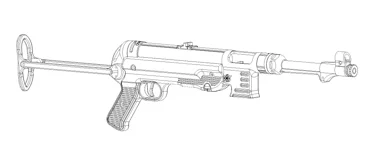
The SMP.40 represents a clever workaround that lets law-abiding citizens build their own MP40-pattern submachine gun under the NFA’s Form 1 process, turning what used to be an ATF-only domain into a personal manufacturing project. By supplying a pre-approved data card and reference image, the creator has essentially handed the community a plug-and-play blueprint that slashes review times and removes the guesswork that usually stalls these applications. That shortcut matters because every month saved on paperwork is another month a citizen can lawfully exercise the right to keep and bear arms without waiting on a slow-moving bureaucracy.
What makes this development especially noteworthy is how it flips the usual NFA narrative: instead of the government dictating every contour of a new firearm, an individual has reverse-engineered an accepted design and shared the exact specifications that already cleared review. The ripple effect is practical—faster approvals mean more people can legally own short-barreled rifles or machine guns that fit their defensive needs, reinforcing the principle that the Second Amendment protects modern arms, not just muskets. At the same time, the move underscores a growing trend of citizen-driven compliance tools that keep enthusiasts inside the regulatory lines while steadily expanding the universe of lawfully owned firearms.
For the broader 2A community, the SMP.40 data card is both a technical achievement and a quiet act of resistance against the notion that only the state should decide what configurations are permissible. It demonstrates that detailed, transparent documentation can accelerate rights-affirming projects without inviting the legal headaches that come from gray-area builds. As more makers adopt this model, expect to see a quiet proliferation of approved Form 1 designs that keep the focus on lawful ownership rather than prohibition, steadily chipping away at the administrative friction that has long been used to discourage civilian manufacturing.


