

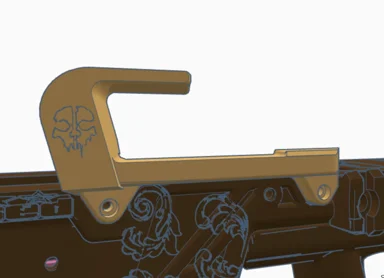
The DB9Alloy shell ejector is a 3D-printed accessory that lets Call of Duty players simulate the satisfying “ping” of a spent cartridge flying out of their virtual M1 Garand—except this one is a real-world, physical device that mounts to a controller or keyboard. At first glance it looks like a novelty toy, but it’s actually a clever piece of aftermarket engineering that fuses hobbyist gunsmithing with the tactile feedback gamers crave. By using a spring-loaded plunger and a small metal “shell,” the gadget replicates the Garand’s en-bloc clip ejection without any firearm present, giving players a literal piece of the rifle’s personality they can hold in their hands.
What makes the story bigger than a one-off gadget is how it illustrates the 2A community’s instinct to bridge virtual and real-world firearms culture. Instead of dismissing video games as mere entertainment, enthusiasts are turning them into gateways for mechanical literacy: learning about operating systems, gas impulses, and material science while they grind camos. That crossover matters because it keeps younger shooters engaged with the language of firearms even when range time or ammo costs are barriers. It also quietly normalizes the idea that guns are precision machines worth understanding, not props to be feared or politicized.
For Second Amendment advocates, the DB9Alloy ejector is a reminder that culture is upstream of policy. When millions of gamers routinely handle—even in miniature—the operating characteristics of classic American arms, the abstract concept of “shall not be infringed” gains millions of micro-lobbyists who now have muscle memory for why a semi-auto rifle cycles the way it does. The device may eject only polymer shells, but it fires a much larger idea: that interest in firearms can start with a game controller and still land squarely in the real-world fight to preserve the right to keep and bear arms.


