

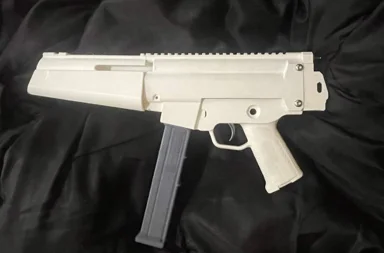
The SF5-3EYE-Remix_V1.0 BETA represents a fascinating evolution in the home-built MP5 ecosystem, taking the proven Leber v2 lower and pairing it with an OEM HK endcap to create something that feels both familiar and refreshingly modern. What makes this remix particularly noteworthy is how it bridges the gap between traditional HK roller-delayed blowback architecture and the growing 3D-printed firearms movement—essentially giving builders a platform that respects the original design’s reliability while opening doors for customization that factory guns simply can’t match. The choice of an OEM endcap isn’t just aesthetic; it’s a deliberate nod to durability and parts compatibility that serious builders will appreciate, especially when they’re investing time and filament into a project that needs to function as reliably as it looks.
For the 2A community, this kind of development signals something bigger than just another printable receiver—it’s evidence that the ecosystem around roller-delayed firearms is maturing beyond the early experimental phase into something genuinely practical. When builders can source quality components like the Leber v2 and integrate them with OEM parts while still exercising their right to manufacture their own firearms, it reinforces the fundamental principle that the Second Amendment protects the entire process of keeping and bearing arms, not just the finished product. The LBRY tags—printed, mp5, hk, sf5, kf5—tell the story of a community that’s actively documenting and sharing these innovations, creating a knowledge base that grows stronger with each iteration.
What’s particularly clever about this approach is how it sidesteps the typical pitfalls of all-printed designs by strategically incorporating proven metal components where they matter most, creating a hybrid that offers the best of both worlds. As regulatory pressures continue to target 3D-printed firearms specifically, projects like the SF5-3EYE-Remix demonstrate that the technology isn’t going away—it’s evolving, adapting, and finding ways to work within existing legal frameworks while pushing the boundaries of what’s possible for individual builders. This isn’t just about one gun; it’s about preserving the right to tinker, modify, and manufacture in an era when those rights face increasing scrutiny from those who’d prefer to see firearms innovation centralized in the hands of a few approved manufacturers.


