

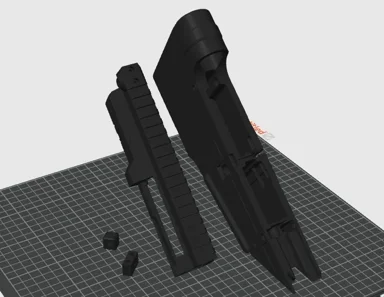
The Quokka & BB15 Compatibility Kit represents a fascinating evolution in the world of 3D-printed firearms, where the community is no longer content with simply replicating existing designs—they’re actively engineering solutions to make them more robust and reliable. By reinforcing the upper receiver with an M3 screw channel and adding retention blocks, this kit transforms what was essentially a hobbyist project into something that more closely mirrors the structural integrity of a traditional FM-15 upper. The modifications to the front lug and bolt assembly retainer suggest a deliberate focus on improving lockup and operational consistency, addressing common pain points that have historically plagued printed firearms. This isn’t just about making parts fit together; it’s about creating a more durable platform that could potentially withstand the rigors of regular use.
For the 2A community, this development underscores a broader trend: the democratization of firearms manufacturing through open-source collaboration. The fact that these modifications are being shared and iterated upon publicly speaks to the resilience of the community in the face of regulatory pressures. By refining designs like the Quokka and BB-15, enthusiasts are not only pushing the boundaries of what’s possible with consumer-grade 3D printers but also ensuring that the right to bear arms remains accessible, even as traditional supply chains face increasing scrutiny. The removal of the spur and the enhanced cutaways for tighter lockup indicate a level of sophistication that was once the domain of professional gunsmiths, now available to anyone with a printer and the willingness to experiment.
Ultimately, this compatibility kit is a microcosm of the larger battle for 2A rights in the digital age. It’s a reminder that innovation often thrives under constraint, and that the community’s collective ingenuity is a powerful counterbalance to attempts at restriction. As these designs continue to evolve, they serve as both a technical achievement and a statement of intent: the right to keep and bear arms will not be confined to the limitations of commercial manufacturing or legislative overreach. Instead, it will be upheld by a network of makers who are determined to preserve and expand access to the tools of self-defense.


