

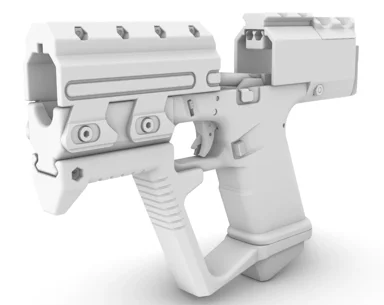
This remix of the Glock 17F by AWCY/UnseenKiller represents another step in the ongoing evolution of 3D-printed firearm frames, pushing the boundaries of what can be achieved with consumer-grade printers and open-source design files. While the creator notes that the design remains untested and its compatibility with existing frame components is uncertain, the very existence of such a remix underscores the collaborative, iterative nature of the 3D-printing community. Enthusiasts are not merely replicating existing firearms but actively refining and adapting designs to meet specific needs, whether for improved ergonomics, material efficiency, or compatibility with different components. This process mirrors the broader tradition of American gunsmithing, where innovation often arises from individual experimentation rather than institutional approval.
For the 2A community, these developments highlight both the promise and the challenges of decentralized firearm manufacturing. On one hand, they demonstrate how technology can empower individuals to exercise their rights with greater autonomy, bypassing traditional supply chains and regulatory hurdles. On the other, they raise questions about safety, reliability, and legal compliance—questions that the community must address proactively to maintain credibility and public trust. The fact that the designer openly acknowledges the design’s untested status is a reminder that responsibility and transparency are essential, even in an environment that prizes freedom and self-reliance. As these tools and designs proliferate, the 2A movement will need to balance advocacy for unrestricted access with a commitment to education, quality control, and ethical use.
Ultimately, the story of this Glock 17F remix is less about any single file or frame and more about the shifting landscape of firearm ownership in the digital age. It reflects a growing ecosystem where knowledge, creativity, and technical skill are as important as the hardware itself. For supporters of the Second Amendment, this is both an opportunity and a test: the chance to shape a future where rights are exercised with skill and accountability, and the challenge of ensuring that innovation does not outpace the community’s ability to guide it responsibly.


