

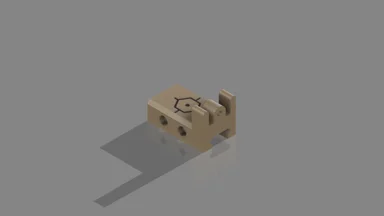
In a world where the firearms industry is dominated by CNC-machined aluminum and precision optics, a humble 3D-printed Picatinny sight set reminds us that the Second Amendment isn’t about perfection—it’s about access. This quick-and-dirty CAD solution, printed in PLA+ at 100 % infill and held on with four M5 bolts, won’t win any bench-rest competitions, but it proves that a citizen who can operate a printer can still put iron sights on a rail when the supply chain hiccups or the local gun shop runs dry. The orientation trick that minimizes supports is a small but telling detail: it shows how the maker community is constantly iterating on the margins, turning hobby-grade hardware into functional defensive tools.
What makes this more than a novelty is the philosophical statement it carries. When a shooter can fabricate a sighting system from filament and fasteners, the practical barrier between “I own a gun” and “I can keep that gun zeroed and usable” shrinks dramatically. That matters in states where feature bans or magazine restrictions already push owners toward work-arounds; it matters even more if an EMP, cyber-attack, or simple logistics failure ever sidelines commercial optics. The BOM is laughably cheap—four bolts and a few cents of plastic—yet the capability it restores is the same one the Founders assumed every armed citizen would maintain: the ability to aim.
Critics will scoff that printed sights are a gimmick, and for serious duty use they’re right to be skeptical. But dismissing them outright misses the larger point: rights exercised at the edge of the possible have a way of expanding what’s considered normal tomorrow. Today it’s a stop-gap rear sight; tomorrow the same workflow could produce back-up ghost-ring sets, offset scout rails, or even low-profile back-up iron sights machined from tougher composites. In that light, every PLA+ Picatinny clamp isn’t just a hack—it’s a quiet reaffirmation that the right to keep and bear arms includes the right to make, mend, and modify the tools of that right when the market or the state would rather you couldn’t.


