

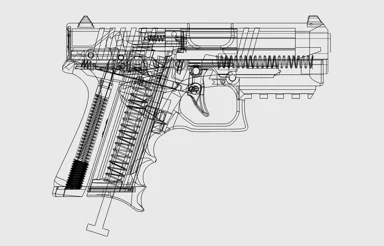
The NAG22 assembly step represents another quiet but powerful milestone in the ongoing evolution of decentralized firearms manufacturing, where a single 3D-printed component can transform raw materials into a functional firearm outside traditional supply chains. What makes this development particularly noteworthy is how it strips away the mystique around gun building, proving that with accessible tools and open-source designs, individuals can exercise their Second Amendment rights without depending on commercial manufacturers or government-approved distributors. This isn’t just about printing a part—it’s about reclaiming agency in an era where regulatory pressure continues to target both the hardware and the knowledge required to produce it.
For the 2A community, the implications extend far beyond one assembly tutorial. Each shared step like this chips away at the asymmetry between citizens and the state, reinforcing that the right to keep and bear arms includes the right to make them. As lawmakers push for serialization mandates, background checks on kits, and restrictions on digital files, content like the NAG22 build serves as both practical instruction and quiet resistance, demonstrating that technical knowledge spreads faster than legislation can contain it. The real story isn’t the printer or the polymer—it’s the growing network of makers who treat firearm fabrication as a fundamental expression of liberty rather than a privilege granted by bureaucrats.
Critics will frame these efforts as reckless or dangerous, yet they overlook how prohibition historically drives innovation underground rather than eliminating it. By documenting and distributing these assembly processes openly, creators are ensuring that the means of self-defense remain distributed, resilient, and impossible to fully regulate out of existence. In a landscape where corporate gun makers face increasing compliance costs and political pressure, the rise of printable, buildable firearms shifts power back to individuals who refuse to outsource their constitutional rights to entities that can be pressured, sued, or legislated into submission.


