

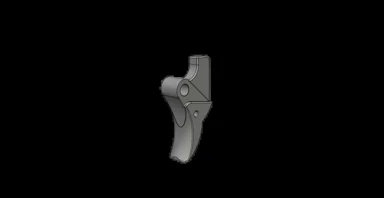
The Glock FRT that MsDonkey just function-tested represents another incremental victory in the endless legal chess match between innovators and regulators. While the video itself is deliberately low-key—no live fire, just mechanical confirmation—the implications are anything but. Forced-reset triggers have already survived multiple ATF attempts to redefine them as machine guns, and each successful function test like this one quietly strengthens the precedent that a trigger which resets itself through mechanical action, rather than continuous pressure, remains squarely within the bounds of a semiautomatic firearm. The fact that this particular unit cleared its checks without drama suggests the design has matured past the early teething issues that plagued first-generation FRTs, moving the technology from “experimental” to “reliable alternative.”
For the broader 2A community, these small, unspectacular demonstrations matter more than flashy range videos. They create a growing body of real-world evidence that courts and regulators cannot simply wave away when the next rulemaking cycle arrives. Every function test that passes without converting the firearm into an illegal machine gun undercuts the ATF’s preferred narrative that any faster follow-up shot must be the result of a “single function of the trigger.” MsDonkey’s conservative approach—posting the test but disabling comments and reactions—also highlights how creators are adapting to an environment where even technical discussion can trigger deplatforming or legal scrutiny, forcing the community to develop parallel distribution channels like LBRY that are harder to memory-hole.
Ultimately, the Glock FRT story is less about one trigger and more about the long game of technological decentralization. As more manufacturers iterate on forced-reset designs and more users document their reliability, the government’s ability to regulate rate-of-fire through trigger geometry alone continues to erode. The 2A community should treat these quiet function tests as data points in an ongoing campaign: each one that works is another brick in the wall against future attempts to criminalize speed itself.


