

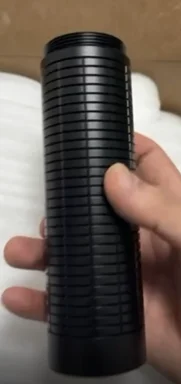
The CNC step file for a silencer modification is more than a technical curiosity—it’s a quiet reminder that the tools of precision manufacturing are now in the hands of individuals, not just factories. What once required a government-approved facility and a six-month wait can now be prototyped on a desktop mill, and that shift is rewriting the rules of the suppressor conversation. The 2A community has long argued that sound-reduction devices are safety equipment, not force-multipliers; this file proves the hardware can be iterated faster than the bureaucracy can regulate it.
More importantly, the existence of the file signals a maturing maker culture inside gun rights circles. Instead of waiting for industry to trickle down lighter, quieter, or cheaper options, enthusiasts are stress-testing designs, sharing data, and accelerating feedback loops that legacy manufacturers can’t match. That decentralization undercuts the tired narrative that only “sophisticated criminals” would pursue unregistered suppressors; it shows lawful tinkerers treating them like any other firearm accessory—subject to the same legal scrutiny, but no longer gated behind six-figure R&D budgets.
The larger implication is cultural as much as legal. When a step file circulates, it forces regulators to confront the reality that prohibition is unenforceable against code. The prudent move for the 2A community is to pair that technological momentum with aggressive compliance education: stamp every part, keep every Form 1 or Form 4, and document every decibel measurement. In doing so, gun owners turn a potential liability into evidence that the community can self-police better than any central registry—an argument that resonates far beyond the range.


