

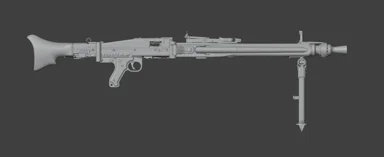
The MG3 files that just surfaced are more than a curiosity—they’re a reminder that the German roller-delayed legacy refuses to stay buried. Where the MG42’s stamped-steel fury once defined the concept of a general-purpose machine gun, the MG3 simply modernized the same roller-locked heart for 7.62 NATO. Now that the files are floating around, builders who once had to hunt for rare surplus parts or pay boutique prices for clones suddenly have a digital blueprint that could democratize the platform in ways the ATF never anticipated. The real story isn’t whether the files load on your slicer; it’s that the MG3’s modular trunnion, quick-change barrel, and belt-fed architecture are suddenly one firmware update away from any garage with a decent mill or printer farm.
For the 2A community this leak underscores a larger shift: the same open-source momentum that turned AR-15 lowers into a cottage industry is now eyeing crew-served weapons. Enthusiasts who once argued over semi-auto trigger packs are quietly discussing belt tensioners and optic rails for belt-feds that could, in theory, be built without a single Form 1 or 4. That doesn’t make the MG3 files a plug-and-play solution—metallurgy, headspace, and belt timing still matter—but it does erode the notion that only defense contractors can field a reliable GPMG. Regulators will almost certainly respond with fresh guidance letters and “readily convertible” language, yet every new file release widens the Overton window of what an individual can accomplish with a computer and a commitment to the Second Amendment’s original public understanding of an armed populace.
The deeper implication is cultural. An MG3 in a private shop isn’t just hardware; it’s a thumb in the eye of the narrative that modern small arms must remain the exclusive province of states and corporations. Whether these files mature into reliable, safe-to-fire guns or remain CAD curiosities, their existence forces a conversation about the future of privately manufactured crew-served weapons and the legal frameworks meant to contain them. In that sense, the MG3 leak isn’t the end of a technical story—it’s the opening chapter of a much larger debate over who gets to own the means of sustained, accurate fire.


