

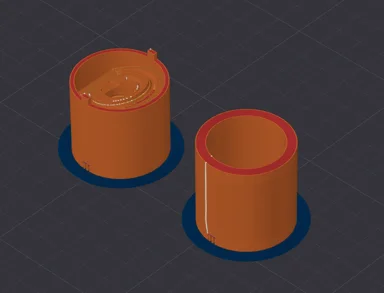
The FTN5.1 D-Cell baffle redesign is a textbook example of how the 2A community turns a manufacturing hiccup into an opportunity for collective improvement. When the original release package shipped baffles that measured half a millimeter too wide for current-production Maglite tubes, the usual chorus of complaints could have followed. Instead, one maker quietly measured the discrepancy, dialed in a corrected model, and printed it in PPA-CF—material choice that signals both durability under heat and a nod to the nylon-family filaments most builders trust for suppressor-adjacent work. The result is a drop-in fix that costs pennies in filament yet preserves the value of an otherwise expensive incandescent host.
What stands out is the speed and transparency of the correction. Rather than waiting for an official revision or letting the mismatch become folklore on forums, the resized file was shared with clear guidance: measure first, expect a snugger fit in PLA, but stick to nylons for service life. That ethos—test, measure, iterate—mirrors the broader culture of home gunsmithing that has kept the suppressor and SBR communities thriving despite regulatory headwinds. It also underscores why filament choice matters: PLA may seat the baffles today, but sustained heat cycling will eventually remind the user why nylon-carbon composites exist.
For Second Amendment advocates, this episode is less about one baffle set and more about preserving the right to repair and improve one’s own equipment. Every time a hobbyist publishes corrected dimensions instead of simply griping, the community demonstrates self-reliance that regulators find difficult to curtail. The FTN5.1 story is therefore a reminder that the ecosystem of American gun culture doesn’t just survive supply-chain friction; it weaponizes it into better designs, tighter tolerances, and a living archive of fixes that no government checklist can anticipate.


