

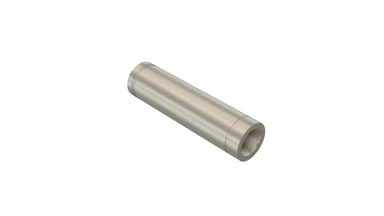
The FTN.6 suppressor pack just got a quiet but meaningful upgrade—literally. What started as a community complaint about lettering has turned into a polished release that shows how quickly the 3D-printing corner of the firearms world iterates when users speak up. The creator didn’t just fix the aesthetics; they signaled that feedback loops between designers and end-users are now part of the workflow, not an afterthought. In an ecosystem where ATF guidance can shift overnight and state laws vary wildly, that kind of responsiveness matters more than any single cosmetic tweak.
What’s really interesting here is the legal scaffolding wrapped around the files. The Nevada-based sole prop behind the pack isn’t just dropping STL files into the void; they’re explicitly carving out who can and cannot use them, right down to naming California as a no-go zone. That’s a calculated move that acknowledges the patchwork of state restrictions while still pushing the envelope for those who remain legal. It also underscores a growing trend: creators are treating these digital assets like regulated products, complete with disclaimers, eligibility checks, and liability shields. For the 2A community, this is both empowering and sobering—empowering because it keeps the door open for lawful homebuilders, sobering because it highlights how much legal homework now falls on the individual before they even hit “download.”
The bigger implication is that the suppressor space is no longer waiting for Congress or the ATF to green-light innovation. Instead, small teams and solo operators are shipping incremental improvements, crowd-sourcing fixes, and documenting compliance in real time. That pace puts pressure on regulators who still treat suppressors like exotic accessories rather than the hearing-protection devices most users see them as. If the community keeps refining designs this fast while staying inside the lines drawn by federal and state law, the conversation may eventually shift from “is this legal?” to “why are we still regulating these like machine guns?”


