

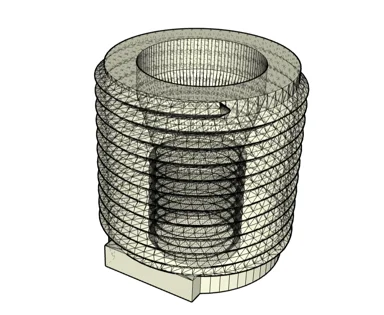
The FTN 3/4×10 Thread Adapter for the MAC-11 represents a fascinating evolution in the 3D-printed firearms ecosystem, where community ingenuity continues to push the boundaries of what can be accomplished without traditional manufacturing infrastructure. This adapter cleverly bridges the gap between the MAC-11/9 platform and the FTN suppressor series by combining the coarse external threading from the PWC-9 pack with the precision internal threads from the FTN adapters, creating a direct-mount solution that eliminates the need for metal components entirely. The design’s emphasis on printing in PA6CF or better materials with 100% infill reflects the community’s growing understanding that material science and print parameters are just as critical as geometry when it comes to functional firearm components.
What makes this development particularly noteworthy is its demonstration of how the 3D printing community has matured beyond simple replication into sophisticated remix culture, where existing designs are modularized and recombined to create new capabilities. The adapter’s untested status and explicit disclaimers about thread durability serve as important reminders that this space operates at the cutting edge of both technology and legal interpretation, where innovation often outpaces traditional safety testing protocols. For the 2A community, this represents both opportunity and responsibility—the ability to create functional suppressor mounting solutions without relying on regulated metal components, while simultaneously highlighting the need for rigorous individual testing and legal compliance.
The broader implications extend beyond this single adapter to the fundamental question of how decentralized manufacturing will reshape the firearms industry. As designs like this proliferate across platforms like LBRY under tags that explicitly acknowledge their relationship to NFA items and 3D printing, they create a parallel ecosystem that operates largely outside traditional regulatory frameworks. This forces both regulators and the firearms community to grapple with questions about safety standards, legal compliance, and the balance between innovation and public safety that will likely define the next decade of Second Amendment advocacy and technology development.


