

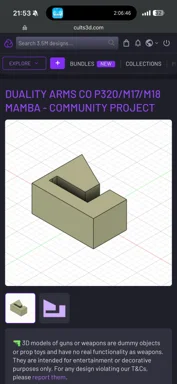
The P320 FRT beta from Duality Arms is the latest flashpoint in the ongoing arms race between civilian ingenuity and the regulatory gray zones that surround forced-reset triggers. What makes this release especially interesting is the hardware target: Sig’s modular FCU, the same serialized brain that powers everything from compact concealed-carry pistols to the Flux Raider PDW chassis. By focusing on the FCU rather than a complete firearm, Duality Arms sidesteps some of the ATF’s “readily convertible” arguments while still delivering the rapid-reset cadence shooters crave for competition or home-defense drills. The fact that early adopters are already troubleshooting slide-fitment issues is less a mark against the design and more evidence that the community treats these devices as open-source projects—raw files posted with the explicit invitation to remix, refine, and redeploy.
For the 2A ecosystem, this moment underscores two converging trends. First, the cottage-industry model of trigger innovation has matured from 3-D-printed novelties into purpose-built, chassis-compatible components that enhance platforms like the Flux Raider, effectively turning a service pistol into a backpack-size semi-auto PDW. Second, the public call for a “working version” illustrates how legal ambiguity around FRTs has not chilled development; it has simply moved the conversation from manufacturer catalogs to Git-style repositories and Instagram install videos. The result is a de-facto crowdsourced R&D pipeline that keeps industry giants honest and gives end users unprecedented configurability.
Whether the final, slide-seating iteration comes from Duality Arms itself or an enterprising hobbyist, the takeaway is clear: the P320 ecosystem is becoming a test-bed for how far modularity and community collaboration can push the envelope before regulators attempt to redraw the lines again.


