

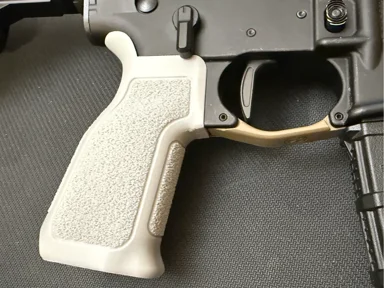
The Driven Arms Co ULCG grip has long been a favorite among AR-15 builders who want a more vertical, competition-oriented hold without paying premium prices for imported or boutique options. Now that a printable recreation has surfaced, the community gains something more than just another free STL—it gains leverage. When a commercial design is cloned and released into the wild, it forces manufacturers to compete on innovation rather than scarcity, and it reminds everyone that the AR-15 platform’s greatest strength is its open ecosystem. Builders who once hesitated to spend $60-plus on a grip can now test the geometry for the cost of filament, then decide whether the original’s surface texture or branding is worth the premium.
Beyond the immediate savings, this release quietly expands the Overton window of what is considered acceptable to print. A few years ago, sharing a grip model might have drawn nervous comments about “gray areas”; today the discussion centers on ergonomics and layer orientation. That shift matters because it normalizes the idea that end users—not just companies—can iterate on controls, safety selectors, and mag releases. The more these small components are stress-tested in garages and home workshops, the faster the entire aftermarket learns which shapes actually reduce fatigue or improve reload speed under NODs.
For the 2A community, the real story isn’t the grip itself but the precedent it sets. Every time a functional part moves from paid-only to freely remixable, it lowers the barrier to entry for new shooters and decentralizes the supply chain. If a ban or shortage hits one vendor, the files are already mirrored across continents. That resilience is quiet, but it is cumulative, and it is exactly why the platform continues to evolve faster than any regulatory effort to slow it down.


