

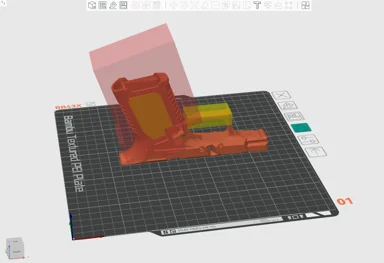
The latest dust-up in the 3D-printed firearms scene centers on a pair of Glock 43X/48 frames released by Broken Bullets and Phil Phisher, and the predictable backlash from the usual gatekeepers who claim the designs are theirs simply because they ran them through a slicer and slapped on a few blockers. What’s really at stake here isn’t just a couple of files; it’s the principle that once information is out in the wild, no single actor can retroactively fence it off with a DMCA notice or a cease-and-desist. Odysee’s refusal to play along with the takedown request is a small but telling victory, proving that decentralized platforms are finally giving the 2A community breathing room that legacy hosts have long denied.
This episode underscores how fragile the old model of “I printed it first, therefore I own it” has become. The moment a design leaves a private Discord or Patreon wall, it enters a commons where anyone with a printer and a little CAD skill can iterate, remix, or simply redistribute. That reality terrifies the would-be monopolists who built their brands on scarcity theater, but it’s exactly what the Founders had in mind when they protected both speech and arms: the power to keep and bear technology that the state cannot easily gatekeep. Every time a platform like Odysee stands its ground, it lowers the cost of defiance for the next designer and raises the cost of enforcement for the next complainant.
For the broader 2A community the takeaway is straightforward: the future belongs to those who treat files as public infrastructure rather than private property. The more frames, triggers, and jigs that circulate without artificial scarcity, the harder it becomes for regulators or litigious creators to choke off access. Broken Bullets and Phil Phisher’s release is another brick in that wall, and the fact that the usual suspects are already reaching for the DMCA hammer only confirms how effective the strategy is. Keep printing, keep sharing, and let the gatekeepers sue the ocean.


