

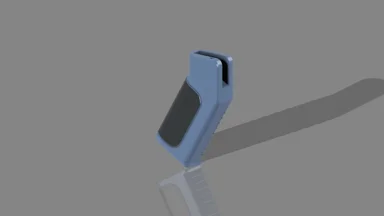
The latest grip drop from the 3D-printing community isn’t just another handle—it’s a quiet reminder that the AR platform’s modularity is now fully democratized. By releasing both skinny and wider profiles in smooth and textured finishes, the designer has essentially handed builders a menu of ergonomic choices that used to require a trip to a specialty shop or a custom shop’s CNC queue. The inclusion of STEP files is the real flex: it signals that the creator wants the community to iterate, remix, and improve rather than simply consume, turning a single file drop into an open-source R&D sprint.
For the 2A world, this matters because it lowers the barrier between “I wish my rifle felt better” and “I just printed the solution.” A grip that can be tuned for hand size, glove thickness, or even the shooter’s preferred wrist angle removes one more reason a newcomer might feel the platform is intimidating or one-size-fits-all. At the same time, the 100 % infill spec and dual-material options underscore a growing sophistication—builders are no longer just printing toys; they’re printing parts they trust with live fire. That shift quietly reframes the regulatory conversation: when the tooling is already in millions of garages, new restrictions on finished products start to look more like suggestions than enforceable rules.
The deeper implication is cultural. Every time a file pack like this lands, it reinforces the idea that the Second Amendment isn’t merely about owning what already exists; it’s about participating in what comes next. A grip may seem trivial, but it’s a tangible vote of confidence in a distributed manufacturing ecosystem that treats firearms as adaptable tools rather than static commodities. In that light, the post isn’t just sharing a part—it’s documenting another small victory in the long march toward maker sovereignty.


