

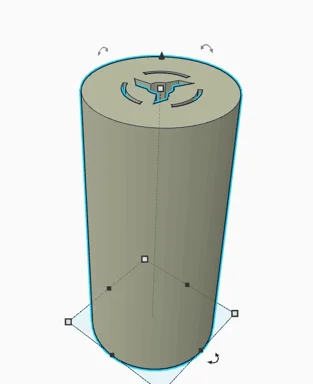
The 3/4×16 Trifecta is a perfect example of the kind of grassroots ingenuity that keeps the suppressor and muzzle-device market honest. By threading a simple blast deflector onto a 3/4-16 adapter and trusting a few wraps of 3M tape to keep it tight, the builder has distilled the entire “form 1 vs. form 4” debate down to its essentials: function first, paperwork later. The fact that the same thread pitch already threads onto common 5.56 muzzle devices means the part can ride along on any standard A2 or aftermarket brake without buying a new host, turning an afternoon in the garage into an instant backyard plinker’s ear-saver.
What makes the design clever is how it weaponizes commodity parts against the regulatory maze. The 3/4-16 thread is the same spec used on many oil-filter adapters, so the builder is effectively borrowing an existing industrial standard rather than inventing a new interface that would draw ATF scrutiny. Add a strip of high-temperature silicone tape and the assembly gains just enough compression to survive a magazine or two of 5.56 before the next refinement cycle. It’s the same iterative mindset that produced solvent-trap kits and modular hand-guard rails—legal until it isn’t, then adapted again.
For the broader 2A community the takeaway is straightforward: when regulators try to price innovation out of reach, hobbyists respond by lowering the cost of entry to near zero. The Trifecta won’t replace a $1,200 stamped suppressor, but it proves that the right to keep and bear arms still includes the right to tinker, test, and iterate faster than any three-letter agency can publish guidance. In an era of pistol-brace rules and “readily convertible” language, that spirit of low-cost, high-adaptability engineering may be the most durable accessory of all.


