

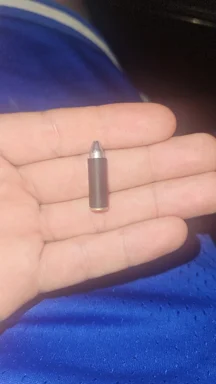
The .22LR working case concept represents a fascinating intersection of traditional ammunition engineering and the emerging world of 3D-printed firearms technology. By combining standard .22LR cartridges with airgun pellets, this approach demonstrates how resourceful individuals are finding creative solutions to the challenges of manufacturing reliable ammunition in an era of increasing regulatory scrutiny. The method appears to leverage the pellet as a projectile while utilizing the .22LR case as a propellant carrier, potentially offering an alternative pathway for those exploring the boundaries of what can be accomplished with readily available components.
This development carries significant implications for the broader 2A community, particularly as it relates to the ongoing debate over ammunition availability and manufacturing restrictions. The fact that such innovations are being shared through open documentation platforms underscores the fundamental principle that information about firearms technology cannot—and should not—be effectively suppressed in a free society. While the technical merits of this specific approach warrant careful evaluation by experienced reloaders and gunsmiths, the underlying message is clear: attempts to control access to ammunition through regulatory means will inevitably drive innovation toward alternative solutions using commonly available materials.
The educational value of this type of experimentation extends beyond the specific technical details to encompass broader questions about the relationship between technology access, individual rights, and regulatory frameworks. As 3D printing technology continues to mature and become more accessible, we can expect to see continued evolution in how firearms and ammunition are conceptualized, manufactured, and distributed. This represents not just a technical curiosity, but a demonstration of the resilience and adaptability that has characterized American gun culture throughout its history.


