

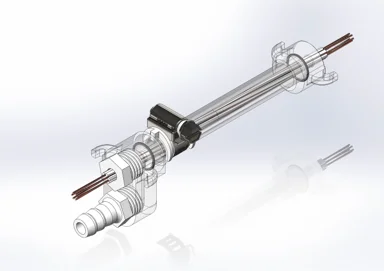
The ECM kit from R17 represents a fascinating evolution in the DIY firearms space, particularly for those looking to rifle .22LR barrels in the 50-110mm range without committing to a full R17 package. What makes this kit stand out is its 6-wire rifling mandrel design, which allows for single-setup rifling—a significant time-saver compared to traditional multi-step processes. This isn’t just about convenience; it’s about democratizing access to precision barrel work for enthusiasts who might otherwise be priced out of custom gunsmithing services. The absence of chambering jigs suggests this is targeted at users who already have some ECM experience or are comfortable sourcing their own chambering solutions, which aligns with the note that complete beginners should start elsewhere.
For the 2A community, this development speaks to the ongoing tension between regulatory restrictions and the human drive for innovation and self-reliance. As traditional firearms manufacturing faces increasing scrutiny and potential restrictions, tools like this ECM kit represent a form of technological resistance—putting the means of production directly into the hands of individuals. The LBRY tags connecting this to KelTec and handguns hint at the practical applications: imagine being able to create custom .22LR barrels for pocket pistols or experimental builds that commercial manufacturers might never produce. This isn’t just about circumventing regulations; it’s about preserving the American tradition of gunsmithing as a cottage industry, where tinkerers and innovators can push the boundaries of what’s possible with rimfire platforms.
The implications extend beyond individual builders to the broader firearms ecosystem. When enthusiasts can experiment with barrel lengths, twist rates, and chamber dimensions that manufacturers might consider too niche for mass production, we see the emergence of a true maker culture within the firearms community. This kit, while requiring technical knowledge, lowers the barrier to entry for those ready to move beyond basic assembly into actual fabrication. It’s a reminder that the right to keep and bear arms has always included the implicit right to understand and create the tools of that right—a principle that becomes increasingly relevant as regulatory pressures mount on commercial firearms production.


