

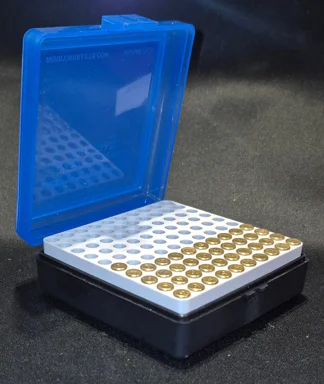
The Berry’s ammo box insert is a small but telling example of how 2A enthusiasts refuse to accept “good enough” when it comes to their gear. Lubricated .22LR rounds are notorious for sticking in plastic trays, turning a quick range reload into a frustrating finger-fumble; instead of waiting for a manufacturer redesign, one maker simply printed a fix and shared it. That impulse—spot a friction point, solve it, post the file—keeps the entire ecosystem of rimfire practice moving forward at a pace commercial vendors rarely match.
Beyond the immediate convenience, the tray also signals a deeper shift in how shooters think about ownership. When a printed insert can turn a mass-market case into a custom solution for both Berry’s and MTM boxes, it underscores that the tools of the trade are no longer locked behind OEM catalogs. Hobbyists now iterate faster than supply chains, and the open-source nature of the files means any shooter with a printer can adopt the improvement overnight. In an era of sporadic .22LR availability and rising component costs, that kind of grassroots adaptability protects the affordability and accessibility that rimfire training depends on.
For the broader 2A community the lesson is straightforward: rights are exercised most effectively when the supporting infrastructure works smoothly. Reliable, frustration-free storage and transport of practice ammo keeps new shooters on the line and seasoned competitors focused on fundamentals rather than fighting their gear. Small innovations like this insert quietly reinforce the principle that self-reliance extends from the firing line all the way back to the workbench.


