

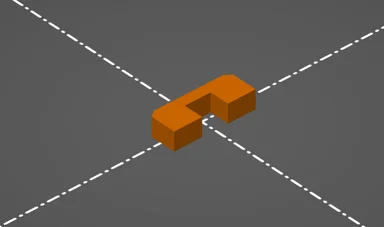
The 2011 platform has long been the darling of competition shooters who want 1911 ergonomics with double-stack capacity, yet the grip safety remains one of its most finicky components—especially when aftermarket mainspring housings or aggressive beavertail cuts enter the picture. This simple drop-in block printed in PETG (or tougher nylon/carbon blends) slips between the mainspring housing and the grip-safety tails, effectively pinning the lever without drilling, staking, or any permanent alteration to the frame. For USPSA and IPSC competitors who already juggle optic plates, thumb safeties, and trigger jobs, the ability to test a “deactivated” grip safety in minutes rather than hours is a genuine workflow upgrade; it also lets new shooters confirm whether the lever is truly the source of their failures to fire before committing to more invasive fixes.
Beyond the bench, the part underscores how additive manufacturing is quietly reshaping small-arms customization. Where once only gunsmiths with mills and fixtures could experiment, any Prusa-owning hobbyist can now iterate a $0.30 piece of polymer in the time it takes to drink a cup of coffee. That accessibility lowers the barrier for grassroots innovation—think rapid prototyping of magazine extensions, optic riser prototypes, or even training aids—while simultaneously raising the usual regulatory eyebrows about “undetectable” or “readily convertible” components. The author’s explicit disclaimer and emphasis on safety fundamentals is a prudent nod to that tension, reminding the community that technology may democratize gunsmithing, but it does not absolve shooters of the duty to verify function with dummy rounds and professional inspection.
For the broader 2A ecosystem, this is another data point in the slow migration of capability from centralized manufacturers to decentralized networks of citizen-designers. As material science improves—higher-temperature nylons, fiber-reinforced filaments, even eventual metal printing—the line between “accessory” and “regulated part” will keep getting blurrier. Rather than reflexively fearing that shift, pro-2A advocates should treat it as an opportunity: open-source, verifiable, and user-serviceable firearms reinforce the premise that an armed populace can also be a skilled and responsible one.


