

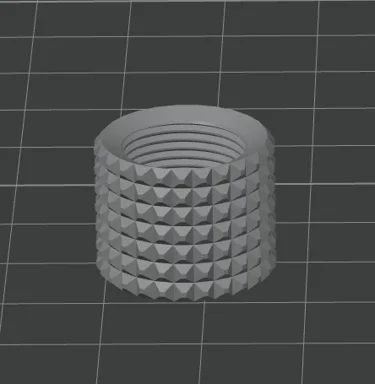
The 1/2×28 thread protector from MostlyPeacefulMachineShop represents a quiet but meaningful evolution in how the 2A community is reclaiming the means of production. By releasing a simple, printable component that threads directly onto standard barrels, the shop is giving users an immediate, low-cost way to protect muzzle threads without waiting on back-ordered factory parts or navigating inflated aftermarket pricing. In an era where even basic accessories can be delayed by supply-chain hiccups or regulatory theater, this file quietly demonstrates that lawful individuals can still exercise practical self-reliance when the commercial market falls short.
What makes the release noteworthy is the deliberate legal framing that accompanies it. The detailed compliance notice underscores a growing trend among pro-2A makers: they are not merely distributing files, but also modeling how to stay within the letter of federal and state law while pushing back against jurisdictions that treat digital files as contraband. By explicitly carving out prohibited persons and high-regulation states like California, the shop avoids the gray-area posturing that has tripped up other designers and instead hands users a clear decision tree. That transparency strengthens the broader argument that 3D-printed firearm accessories, when produced by non-prohibited adults for personal use, fall squarely inside the protections of the Second Amendment and the First Amendment’s guarantees for sharing technical information.
For the community, the real implication is cultural as much as practical. Each new, responsibly released file chips away at the narrative that only licensed manufacturers should control the shape and function of firearm components. A thread protector may seem trivial, yet it normalizes the idea that an individual can design, print, and install a purpose-built part without asking permission from distant regulators or distant corporations. As more makers follow this template—clear disclaimers, jurisdictional honesty, and an unapologetic focus on lawful users—the 2A movement gains both tangible tools and a growing body of evidence that decentralized manufacturing is here to stay.


