

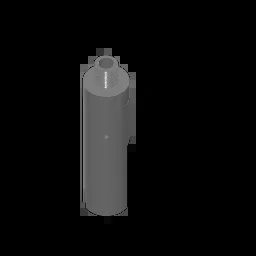
The 1/2-28 .315 VP22 outer barrel is a perfect example of how 3D printing is quietly rewriting the rules of the firearms market. Instead of waiting for a manufacturer to decide what configurations are worth producing, users can now print a threaded barrel sleeve that matches the VP22’s geometry and accepts standard 1/2-28 muzzle devices. At six walls and 100 % rectilinear infill, the part is built for strength rather than speed, turning a desktop printer into a small-batch barrel shop. That capability matters because it removes the traditional choke point between an idea and a functional component; if you can model it and print it, you can test it.
For the 2A community this is more than a convenience part—it is a demonstration of distributed manufacturing that regulators have not yet figured out how to gate. The same workflow that lets someone print a barrel sleeve also lets them iterate on other accessories without filing paperwork or paying a premium for low-volume runs. Over time, that lowers the cost of experimentation and raises the baseline of what an individual can achieve with legal, non-restricted components. It also shifts the conversation from “what will companies sell us” to “what can we build ourselves while staying inside the law.”
The broader implication is that rights exercised through technology become harder to curtail. When the tooling for lawful firearm customization lives on open-source repositories rather than inside a handful of factories, attempts to limit access start to look like attempts to police design files and printer settings. That reality forces both legislators and the industry to confront a future where the Second Amendment is protected not only by courts and ballots, but by the ability of citizens to make what they need when commercial channels fall short.


