

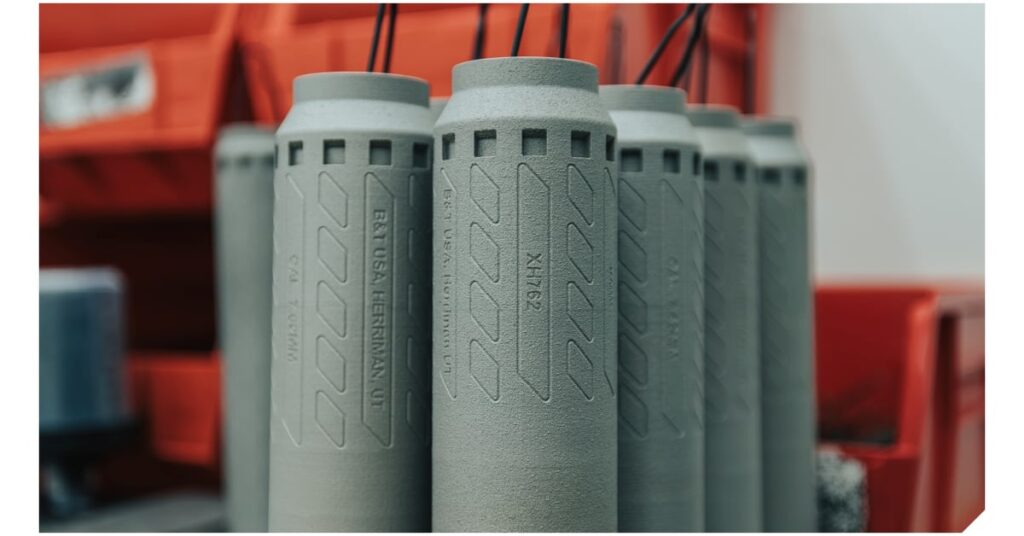
B&T’s decision to scale its Utah suppressor line to 7,000 units a month is more than a production milestone—it’s a direct response to the post-pandemic surge in demand that has left dealers with empty shelves and buyers waiting months for Form 4 approval. By tripling capacity in a single facility, the Swiss-American firm is betting that the current political climate, with its mix of state-level “assault-weapon” bans and renewed interest in hearing-safe shooting, will keep the suppressor market red-hot for years. The move also underscores how vertical integration—B&T now machines, welds, and cerakotes in-house—shortens lead times and insulates the company from overseas supply shocks that have plagued competitors.
For the broader Second Amendment community, the expansion is a tangible sign that industry is meeting the moment. Suppressors, once niche, are becoming mainstream safety equipment, and the ability to buy one without driving cross-country or paying gray-market premiums strengthens the argument that these devices are ordinary consumer products, not the “dangerous and unusual” bogeymen some regulators claim. At the same time, the increased throughput will test the ATF’s eForms system; if the agency can’t match industry output with faster approvals, the very capacity gains B&T is celebrating could turn into a backlog bottleneck, giving fresh ammunition to lawsuits pushing for shall-issue shall-issue shall-issue treatment of suppressors under the Second Amendment.


