

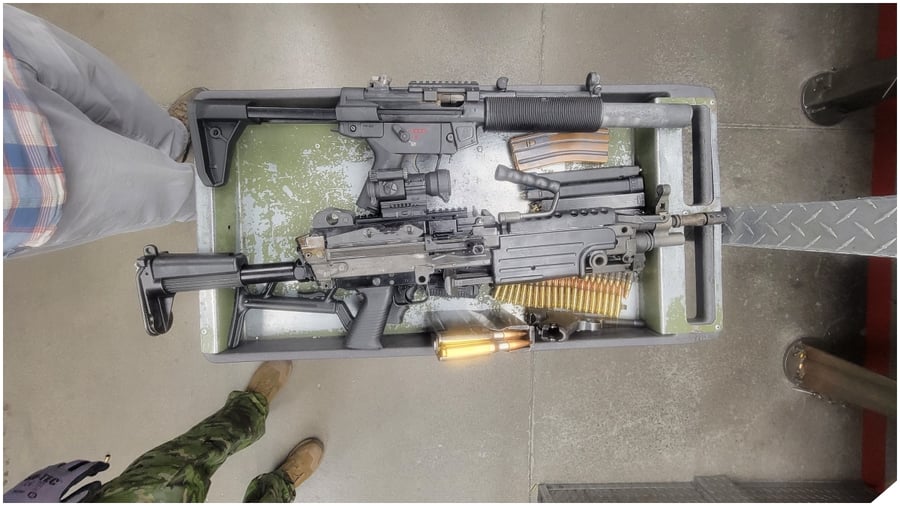
The Freedom from Taxes Act is dropping a bombshell on the NFA world by proposing to completely eliminate the $200 transfer tax on machine guns, suppressors, short-barreled rifles and shotguns, as well as the destructive device tax and the Special Occupational Tax that licensed dealers have been paying for decades. Sponsored by lawmakers who clearly understand that these punitive fees were never about safety but about making legal ownership as painful and expensive as possible, the bill strikes directly at one of the most enduring financial barriers in the firearms community. For collectors sitting on pre-1986 machine guns now valued in the tens of thousands, or enthusiasts waiting months for a tax stamp on a suppressor they’ve already paid full retail for, this represents more than just a discount; it’s a fundamental shift in how the federal government treats Constitutionally protected arms.
What makes this proposal particularly interesting is how it exposes the NFA for what it always was: a revenue scheme dressed up as crime control that has done nothing to prevent criminals from obtaining machine guns while turning otherwise law-abiding citizens into federally registered taxpayers. The $200 tax in 1934 was deliberately set high enough to be prohibitive for average Americans during the Great Depression. Adjusted for inflation that “modest” fee would be over $4,700 today. By zeroing it out entirely, the Freedom from Taxes Act would effectively acknowledge that these barriers serve no legitimate public safety purpose and instead function as a de facto poll tax on the exercise of Second Amendment rights. The elimination of the SOT tax would also breathe life into smaller gun shops that have been priced out of dealing in NFA items, potentially expanding access and competition in what has become an artificially constrained market.
For the 2A community this bill is both exciting and revealing. It forces the conversation away from incremental suppressor deregulation or SBR fixes and toward the more fundamental question of whether the entire 1934 National Firearms Act framework can withstand modern constitutional scrutiny in a post-Bruen world. While passage is never guaranteed in a divided Congress, the mere introduction of the Freedom from Taxes Act signals growing impatience with half-measures and a willingness to challenge the financial architecture of gun control itself. Whether it becomes law or simply serves as a powerful messaging tool, it reminds every NFA owner and enthusiast that their tax stamps represent not just paperwork but a century of deliberate government overreach that deserves to be dismantled rather than endlessly accommodated.


