

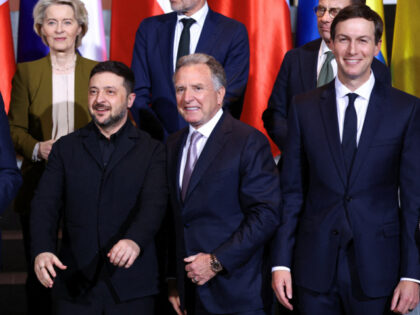
Zelensky’s outreach to Trump’s envoys is more than a diplomatic footnote—it’s a signal that the war’s endgame is shifting from battlefield attrition to negotiated settlement, and that shift carries direct consequences for American gun owners. When the fighting stops, the flood of surplus Eastern Bloc weapons, optics, and armor-piercing ammunition that has already leaked into gray markets will either be legitimized through legal import channels or driven deeper underground. A Trump-brokered ceasefire could reopen the spigot on affordable 7.62×39, 5.45×39, and even 12.7×10⁸ platforms that collectors and preppers have been chasing since 2022, but only if State and Commerce Departments green-light the paperwork instead of letting the hardware rot in Eastern European warehouses or, worse, get scooped up by cartels.
At the same time, any deal that leaves Ukraine with a credible conventional deterrent will keep the pressure on NATO supply chains, sustaining demand for American-made small arms, night-vision, and suppressors that domestic manufacturers have scaled up to meet. The 2A community should watch the fine print: if the agreement includes “end-use monitoring” language that mirrors the Biden-era model, we could see renewed attempts to treat certain calibers and optics as de-facto munitions subject to extra scrutiny. Conversely, a Trump-era framework that treats Ukraine like any other friendly state would normalize the flow of parts kits and barrels stateside, giving domestic builders another legitimate source of components while simultaneously blunting the argument that “assault weapons” are too dangerous for civilian hands.
Bottom line, the same negotiators who once moved embassy rows are now positioned to move pallet-loads of rifles. Gun owners who track sanctions policy as closely as they track ballistics will be the first to know whether the coming peace dividend lands in gun shops or gets lost in the fog of regulation.


