

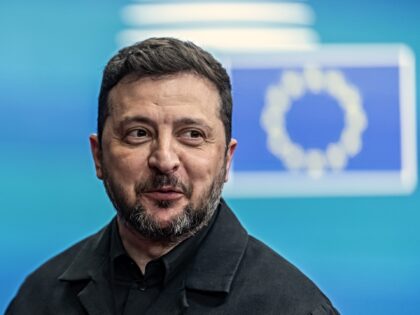
Zelensky’s pitch for instant-track EU membership isn’t just about passports and farm subsidies; it’s a reminder that sovereign nations still need the means to defend the borders Brussels keeps redrawing on paper. While the Ukrainian leader argues his country has “earned” a shortcut past the usual accession hurdles, the real currency on display is the one that fires bullets and stops tanks—something the 2A community has long understood as non-negotiable. The same European capitals now weighing Ukraine’s fast pass spent years tightening civilian gun laws and lecturing Americans about “assault weapons,” yet they’re suddenly comfortable outsourcing their eastern flank’s security to a population that, until 2022, faced some of the continent’s strictest carry restrictions.
That irony lands squarely on American gun owners watching the aid spigot. Every Javelin or artillery shell sent east carries an implicit admission that rights without rifles are just talking points, and the 2A crowd sees the parallel at home: if a nation can be told it “deserves” accelerated integration only after proving it can fight, then the individual right to keep and bear arms isn’t a hobby—it’s the insurance policy that makes political promises credible. Fast-track EU status may yet hinge on how many Ukrainian civilians remain armed and trained once the shooting stops; the same logic suggests American voters should treat every new restriction here as another step toward strategic dependence on someone else’s army.
The takeaway for pro-2A readers is straightforward: alliances and trade pacts are only as durable as the armed citizenry backing them. Zelensky’s plea underscores that security guarantees still flow from the muzzle, not the memo, and any European “membership” worth having will ultimately be measured by how seriously its newest members take the right to self-defense—both at the national and individual level.


