

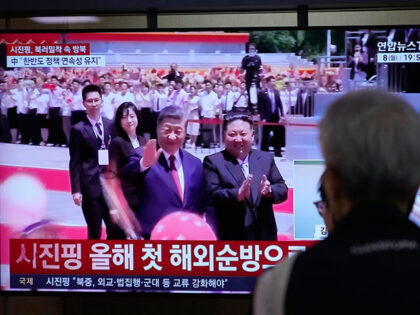
Xi Jinping’s sudden arrival in Pyongyang isn’t just another photo-op between two authoritarian regimes—it’s a calculated reset after years of friction over North Korea’s nuclear swagger and Beijing’s tightening sanctions leash. By publicly demanding “political mutual trust,” Xi is signaling that he needs Kim Jong-un back in the fold as a reliable buffer against U.S. and allied pressure in the Indo-Pacific. For the 2A community, the optics are unmistakable: two of the world’s most repressive states are tightening their coordination at the exact moment the Biden administration and its allies are pushing fresh gun-control measures at home and renewed arms-control talks abroad. When dictators consolidate, free people notice the contrast between their own governments’ rhetoric about “trust” and the concrete reality of an armed citizenry that can never be fully disarmed by decree.
The timing also carries a quiet warning about supply chains and strategic materials. North Korea’s missile programs still rely on Chinese dual-use components, while Beijing eyes North Korea’s rare-earth reserves and potential naval access along the Sea of Japan. A more unified Sino-Korean axis could accelerate weapons proliferation to Iran and other anti-Western actors, raising the long-term prospect of conventional or even nuclear-tipped threats that make the case for robust Second Amendment protections more than theoretical. American gun owners have watched similar geopolitical tremors before—most notably after the fall of the Shah and the Iranian hostage crisis—and responded by stocking magazines and training harder. This latest handshake in Pyongyang suggests the cycle is repeating, except this time the players control far more advanced delivery systems and a larger share of the global electronics market that feeds them.
Ultimately, the visit underscores a broader truth the 2A community has long articulated: peace through strength begins with citizens who refuse to outsource their security to governments that simultaneously cozy up to tyrants and lecture their own populations about the supposed dangers of private arms. While Xi and Kim trade platitudes about “mutual trust,” millions of Americans continue to trust the Founders’ design—an individual right to keep and bear arms that no foreign axis or domestic regulation can fully extinguish. The more these regimes flaunt their centralized power, the sharper the reminder that an armed populace remains the most practical deterrent to both foreign adventurism and creeping authoritarianism at home.


