

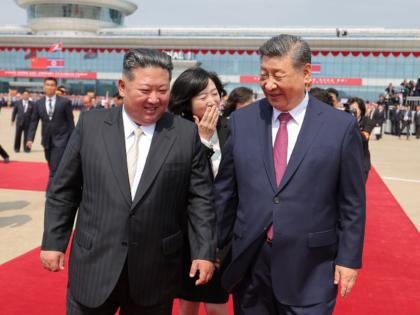
Xi Jinping’s sudden outreach to Kim Jong-un isn’t just another photo-op between two authoritarian regimes—it’s a calculated hedge against Vladimir Putin’s growing dominance in the anti-Western axis. By dangling deeper military cooperation, Beijing is reminding Pyongyang that China still controls the economic spigots and border access that keep the Kim regime afloat, even as Russia supplies the artillery shells and diplomatic cover that have let North Korea test missiles with impunity. For the firearms community this matters because any uptick in joint production or technology sharing between Beijing and Pyongyang will almost certainly involve small-arms manufacturing know-how, optics, and ammunition lines that could eventually leak into gray-market networks already feeding cartel violence south of our border.
The timing is no accident. With Putin distracted in Ukraine and increasingly reliant on North Korean munitions, Xi is reasserting leverage before Moscow locks in long-term basing or technology deals that sideline Chinese influence. That same leverage could translate into quiet technology transfers—think updated Kalashnikov-pattern rifles, night-vision clones, or even drone-fired grenade launchers—that strengthen both regimes’ internal security forces while giving them exportable hardware to trade with other pariah states. Second Amendment advocates watching this triangle should note that every new factory or joint R&D program adds another node to the global supply chain of weapons that eventually find their way into the hands of America’s adversaries and the cartels that kill Americans every day.
Ultimately, the summit underscores a hard truth: when authoritarian powers feel cornered, they double down on militarization rather than reform. The more Xi and Kim coordinate on “military affairs,” the greater the risk that American gun owners will face not only domestic regulatory pressure but also the downstream effects of emboldened regimes flooding conflict zones—and potentially our own streets—with cheap, durable small arms. Staying informed and politically engaged isn’t just about protecting the right to keep and bear arms at home; it’s about recognizing how quickly foreign arms proliferation can turn into a domestic security threat.


