

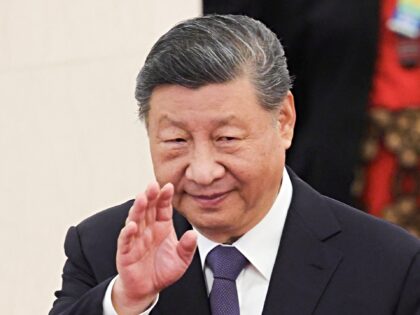
Xi Jinping’s public embrace of Jiang Zemin’s legacy is more than a routine party ritual; it is a deliberate reminder that the Chinese Communist Party’s survival depends on the barrel of the gun. By praising the man who “implemented the correct decisions” after Tiananmen, Xi is telling every dissident, every Hong Konger, every Taiwanese, and every Uighur that the regime will again choose massacre over reform. For Americans who still believe the Second Amendment is an anachronism, the spectacle is a live-action case study: when citizens are disarmed, the state’s monopoly on force becomes absolute, and history’s worst atrocities become policy options rather than unthinkable crimes.
The timing is no accident. As Beijing rattles sabers over Taiwan and tightens digital surveillance at home, the regime is normalizing the idea that mass violence is a legitimate tool of governance. That message travels. Authoritarian states from Caracas to Tehran study how the CCP erased an entire generation of protesters in a single night; they notice that an unarmed population offered no meaningful resistance once the tanks rolled in. The contrast with the United States could not be starker: here, an armed citizenry remains the ultimate check against any future leader tempted to “implement the correct decisions” with armored vehicles and secret police.
For the 2A community, the lesson is straightforward. Every new restriction on lawful ownership, every “assault weapon” ban, every magazine limit is a step toward the very asymmetry the CCP exploits. Rights that are not defended with the force of arms can be redefined—or extinguished—by the next regime that decides dissent is counter-revolutionary. Xi’s celebration of Jiang is therefore not merely Beijing’s internal affair; it is a warning flare sent halfway around the world, reminding those who still possess the means of resistance to keep them.


