

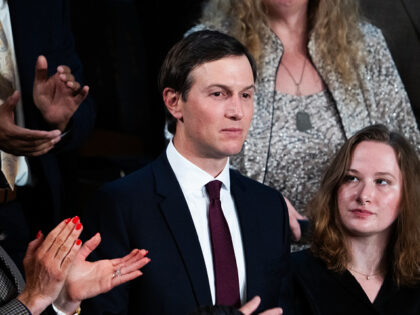
The Wall Street Journal’s decision to bury the Soros connection of one of its own contributors in a story targeting Jared Kushner’s Albanian resort venture is more than a footnote—it’s a textbook case of narrative laundering. By letting an editor from a newsroom bankrolled by Open Society Foundations co-author a piece that paints Kushner as a shady operator, the paper effectively outsourced its sourcing to an organization whose global brief includes undermining sovereign borders, national identity, and the very concept of armed self-defense. Readers who never saw the disclosure were left to assume the reporting sprang from neutral shoe-leather journalism rather than from an ideological pipeline that has spent decades equating private gun ownership with incipient fascism.
For the 2A community, the episode is a reminder that the same networks pushing “democracy promotion” abroad also bankroll domestic efforts to pathologize the right to keep and bear arms. Open Society money has flowed to groups that lobby for red-flag laws, universal background checks, and the reframing of the Second Amendment as a loophole rather than a cornerstone of ordered liberty. When a legacy outlet like the Journal lets that funding go undisclosed, it doesn’t merely skew one story about a luxury hotel; it helps launder the premise that any resistance to progressive internationalism—whether in Tirana or in Texas—is inherently corrupt. The pattern is consistent: erode national sovereignty first, then the cultural and legal bulwarks that let citizens defend it.
What makes the omission especially corrosive is the asymmetry it creates. Pro-Second-Amendment voices operate under a permanent cloud of “Russian bot” or “Koch-funded” innuendo, while outlets aligned with billionaire philanthropists who treat gun control as a planetary imperative enjoy a pass. Until legacy media applies the same disclosure standards to Soros cash that it reflexively applies to NRA contributions, readers will continue to mistake coordinated messaging for organic consensus—and the right to arms will keep being litigated in the court of manufactured public opinion rather than in the legislatures and courtrooms where it belongs.


