

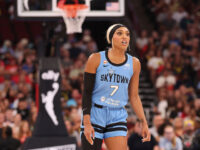
DiJonai Carrington’s reputation for physical, sometimes reckless play has become a flashpoint in the WNBA, and the backlash isn’t just about basketball etiquette—it’s a microcosm of how the league’s leadership and media treat accountability when it collides with identity politics. While the league markets itself as a beacon of “empowerment,” the tolerance for Carrington’s elbows and late hits suggests that optics matter more than player safety or competitive integrity. For Second Amendment advocates, the parallel is obvious: when institutions prioritize narratives over rules, the people who actually follow the rules—whether on the court or at the range—end up paying the price in lost trust and uneven enforcement.
The larger implication is that selective standards erode public confidence in any system that claims to be fair. Just as law-abiding gun owners bristle when regulations are written and applied by officials who have never handled a firearm, WNBA fans are noticing that the league’s response to dangerous play seems calibrated to protect marketability rather than enforce consistent discipline. When the same voices that lecture about “gun violence” ignore on-court violence that doesn’t fit the preferred storyline, it reinforces the perception that rules are tools for social engineering, not neutral guardrails. The result is a growing audience that tunes out—not because they dislike women’s sports, but because they refuse to subsidize double standards.
Ultimately, the Carrington controversy is another data point in a broader cultural pattern: institutions that abandon objective criteria in favor of identity-based leniency create their own credibility problems. The 2A community has watched this movie before—red-flag laws, pistol braces, and magazine bans sold as “common-sense” measures that somehow never apply to the politically connected. Fans walking away from the WNBA are making the same calculation millions of gun owners already made: if the game isn’t played straight, there’s no reason to keep score.


