

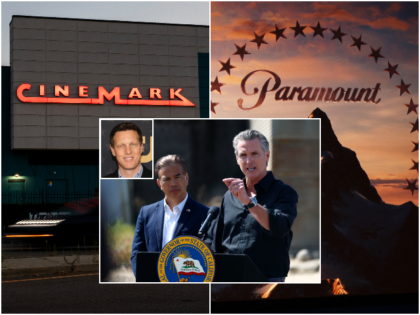
Cinemark’s endorsement of the Warner Bros. Discovery merger is more than a footnote in the entertainment press—it’s a signal that the last major holdout among the big three theater chains has now lined up behind a single, consolidated content gatekeeper. With AMC, Regal, and Cinemark all on board, the deal effectively hands one corporate entity the power to decide which stories reach the big screen and which never leave the editing bay. For Second Amendment advocates, that matters because the same studios that have spent the last decade quietly scrubbing firearms from scripts and marketing materials will now face even less competitive pressure to green-light projects that treat lawful gun ownership as anything other than a social ill.
The consolidation also tightens the feedback loop between streaming algorithms and theatrical releases. Once the merged entity controls both the production slate and the data on what “performs,” any film that dares to portray armed self-defense in a positive light will have to clear an extra layer of risk analysis before it ever reaches test screenings. That’s bad news for indie producers who have traditionally used mid-budget action or rural dramas to tell unapologetically pro-2A stories; those projects will now compete for screens against blockbusters whose brand-safety teams treat the mere image of a pistol as a potential advertiser liability.
Longer term, the merger accelerates the migration of nuanced gun-culture narratives to independent platforms and direct-to-consumer channels where censorship is harder to impose. Expect a wave of crowdfunded features, Rumble exclusives, and even drive-in revivals that market themselves explicitly as “the movies Hollywood won’t show you.” In other words, while the big three chains celebrate their new corporate sugar daddy, they may be handing the 2A community the best marketing opportunity it has had in years: proof that the only place left to see an armed hero who isn’t a villain is wherever free creators still control the frame.


