

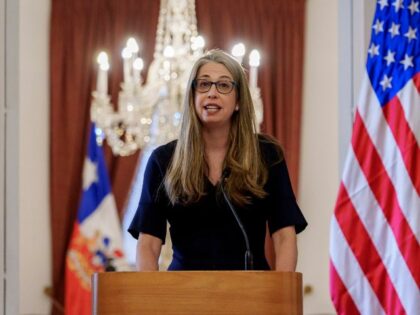
The revelation that Bernadette Meehan’s Wikipedia biography was seeded by a now-banned paid-editing account is more than a procedural footnote; it is a case study in how institutional power can quietly shape the very record the public relies upon. Meehan, who moved from Obama-era diplomacy straight into the Wikimedia Foundation’s top job, now oversees the platform that millions treat as neutral ground truth. When the first draft of her own entry was produced by someone later expelled for undisclosed compensation, the optics are unmistakable: the same organization that polices “reliable sources” for articles on the Second Amendment may itself be vulnerable to the very conflicts of interest it claims to police elsewhere.
For the 2A community the stakes are concrete. Wikipedia’s articles on firearms, the NRA, shall-issue permitting, and the text of the Constitution itself are routinely cited by journalists, judges, and casual readers as settled fact. If an editor with undisclosed ties can manufacture a flattering entry for a foundation CEO, the same machinery can—and demonstrably does—tilt coverage of gun policy, historical court decisions, and statistical data on defensive gun uses. The result is a slow, cumulative distortion: readers absorb a narrative that treats the right to keep and bear arms as a fringe or dangerous idea rather than a constitutionally protected liberty. When the platform’s own leadership arrives under a cloud of undisclosed editing, that distortion gains an institutional imprimatur.
The episode also underscores a deeper asymmetry. Pro-2A editors who attempt to correct demonstrably false or one-sided claims often face swift reversion and topic bans, while institutional actors appear to enjoy a longer leash. Until Wikimedia’s governance model includes meaningful transparency around both its leadership and its editing corps, the 2A community has little reason to treat Wikipedia as anything other than a privately managed narrative engine—one whose product directly influences public perception of the right to arms.


